What to Consider When Ordering Custom PCBs for Manufacturing: When it comes to designing and manufacturing custom printed circuit boards (PCBs), understanding the process, requirements, and the factors that influence your order is crucial. Whether you’re creating a prototype for a new product or scaling up for mass production, ordering the right custom PCB can make a significant difference in the performance and cost-effectiveness of your project. In this complete guide, we’ll explore what to consider when ordering custom PCBs for manufacturing, including key factors that influence the process, how to choose the right custom PCB for your needs, and things you must keep in mind to avoid common pitfalls.
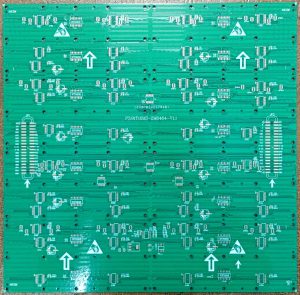
What to Consider When Ordering Custom PCBs for Manufacturing
1. What to Consider When Ordering Custom PCBs for Manufacturing, Understanding the Basics of Custom PCB Orders
Before diving into the specifics of ordering custom PCBs, it’s essential to understand the basic concepts of what a PCB is and how it fits into your product development cycle. A printed circuit board (PCB) is a flat board used in electronics to mount and connect electronic components. The design of your PCB will determine how your components are laid out and how signals and power flow through the system.
When ordering custom PCBs for manufacturing, you’re essentially ordering a board tailored to meet your specific design, functionality, and size requirements. Custom PCBs are often needed for applications where off-the-shelf PCBs won’t meet the technical or size specifications required.
2. What to Consider When Ordering Custom PCBs for Manufacturing, Key Things to Keep in Mind When Ordering Custom PCBs
Now that we have a basic understanding of what custom PCBs are, let’s break down some of the key considerations you should keep in mind when ordering custom PCBs for manufacturing.
a. PCB Material Selection
One of the first and most important things to consider when ordering custom PCBs is the material you choose for the board. The material will affect not only the PCB’s electrical performance but also its durability, cost, and manufacturing time.
- FR4: This is the most common PCB material, offering a good balance between cost, performance, and durability.
- Aluminum PCBs: Used in applications where heat dissipation is critical, such as LED lighting.
- Flex PCBs: Ideal for compact designs that need to be flexible.
- High-frequency PCBs: For designs that operate at higher frequencies, materials like Rogers or PTFE are often used.
Make sure you choose the right material based on the operational environment and electrical requirements of your device.
b. PCB Thickness
PCB thickness plays an important role in the mechanical strength and overall functionality of the board. Custom PCBs can range from 0.2mm to several millimeters in thickness, depending on the requirements. It’s essential to specify the exact thickness needed to ensure the board’s structural integrity and to meet the performance standards of your design.
c. PCB Layers
The number of layers in a PCB design is another critical factor. Single-layer PCBs are common in basic electronic products, but multi-layer PCBs (e.g., 4-layer, 6-layer, or more) are often necessary for more complex applications. Multi-layer designs help to save space and increase signal integrity, especially in compact devices or products requiring high-speed processing.
d. Component Placement and Layout
The layout of your PCB, including the placement of components and traces, has a direct impact on the manufacturability and functionality of the board. During the design phase, you need to ensure the components are properly spaced and the traces are routed in such a way that they minimize interference and maximize signal quality.
e. Surface Finish
The surface finish of the PCB is another important aspect. Common options include:
- HASL (Hot Air Solder Leveling): A cost-effective and widely used finish for standard applications.
- ENIG (Electroless Nickel Immersion Gold): Provides better corrosion resistance and is ideal for high-reliability applications.
- OSP (Organic Solderability Preservative): A more eco-friendly choice but may not offer the same level of protection as ENIG.
Your surface finish choice will depend on the application and the reliability requirements of your product.
f. Tolerances and Specifications
Defining the exact tolerances and specifications for your PCB is critical. This includes:
- Trace width and spacing: Too narrow a trace could lead to electrical shorts or signal interference.
- Drill hole size: Accurate drill hole sizes are crucial for component mounting.
- Copper thickness: The amount of copper used can impact current-carrying capacity and thermal performance.
Make sure to clearly specify these details in your design files or with your manufacturer to ensure the PCB is made to your exact requirements.
3. What to Consider When Ordering Custom PCBs for Manufacturing, What Factors Influence Custom PCB Orders?
When it comes to custom PCBs for manufacturing, there are several factors that influence the cost, quality, and lead time. Understanding these factors will help you make more informed decisions when placing your order.
a. Design Complexity
One of the primary factors influencing custom PCB orders is the complexity of your design. More intricate designs, such as multi-layer boards or boards with a high component density, will require more advanced manufacturing techniques and may come at a higher cost. The more complex the design, the more expensive the tooling and fabrication will be, but it may be necessary for the performance and size constraints of your product.
b. Quantity of PCBs Ordered
The number of PCBs you order can significantly affect both the cost and lead time. For small production runs, the cost per board tends to be higher, whereas large volume orders often benefit from bulk pricing. If you only need a small batch or a prototype, many PCB manufacturers offer low-volume pricing that can be more affordable.
c. Lead Time
The manufacturing lead time can vary depending on the complexity of your PCB, the volume of the order, and the manufacturer’s schedule. Be sure to communicate your deadline with your PCB manufacturer to ensure they can meet your timeline. For critical projects, consider ordering early to avoid delays.
d. Testing and Quality Assurance
Another factor that will influence the cost and lead time of your custom PCBs is the level of testing required. Some manufacturers offer additional services like Electrical Testing (ET), Automated Optical Inspection (AOI), and X-ray inspection. These tests ensure the quality of the boards and help detect potential faults early. If quality assurance is essential for your project, expect an additional cost and longer lead time.
e. Shipping and Logistics
Finally, shipping and logistics should be considered when ordering custom PCBs. Depending on where the manufacturer is located, shipping costs and delivery times may vary. It’s also important to factor in any customs duties or tariffs if you’re ordering from international suppliers.
4. How to Choose the Right Custom PCB for Your Manufacturing Needs
Selecting the right custom PCB for your needs involves understanding your specific product requirements and the role the PCB plays in your device. Here’s how to choose the right custom PCB:
a. Define Your Requirements
Before ordering custom PCBs, define the key parameters of your design, such as size, shape, layers, and electrical performance. Having a clear understanding of your product’s needs will help guide your decision-making process when choosing the right material, finish, and manufacturer.
b. Work with Experienced Manufacturers
Choosing a reliable PCB manufacturer is critical to ensuring that your design is manufactured accurately and to a high standard. Look for manufacturers with experience in your industry or similar applications. A good manufacturer should provide support throughout the process, from design to delivery, and offer guidance on materials, finishes, and the most efficient manufacturing methods for your design.
c. Consider Scalability
If you are designing a PCB for a product that may go into mass production in the future, consider scalability. Choose a manufacturer that has the capacity and capability to scale your production efficiently and cost-effectively.
5. Conclusion: Things to Keep in Mind When Ordering Custom PCBs
In conclusion, ordering custom PCBs for manufacturing involves careful planning and attention to detail. By considering factors such as material selection, layer count, design complexity, and manufacturing requirements, you can ensure your custom PCBs meet your design needs while staying within budget and on schedule. Understanding the factors that influence your order, such as quantity, testing, and lead time, will help you make informed decisions and avoid costly mistakes. Finally, working with an experienced PCB manufacturer who understands your unique needs will set your project up for success.
By following these tips and guidelines, you’ll be well-equipped to navigate the process of ordering custom PCBs, whether you’re developing a prototype or preparing for mass production.
This comprehensive guide provides insights into what to consider when ordering custom PCBs for manufacturing, ensuring that you make informed decisions and ultimately receive the best quality PCBs for your project.
our linken sqpcb.com

- long board pcb
- Flexible PCBs
- Special PCB
- Express Printed Circuit Board
- Pcb Prototype
- LED PCB
- PCB
- Printed Circuit Board
- Pcb meaning
- Pcb manufacturer
- Rigid pcb board
- Rigid Flex PCB
 Quote
Quote
 E-mail