Custom PCB Circuit Boards are specifically designed and manufactured to meet the unique requirements of a particular application or product. These boards provide the flexibility and innovation needed to create bespoke electronic solutions, ensuring optimal performance and functionality.
Benefits of Custom PCB Circuit Boards
- Specific Requirements: Custom circuit boards are tailored to meet the exact specifications and requirements of a project, ensuring that the end product performs as needed.
- Innovation and Creativity: The ability to design custom boards allows engineers to innovate and create unique solutions that would not be possible with off-the-shelf PCBs.
- Optimized Performance: Custom boards are designed with the specific application in mind, leading to optimized performance and efficiency.
- Integration: Custom circuit boards can be designed to integrate seamlessly with other components and systems, reducing the need for additional connectors and interfaces.
Applications of Custom PCB Circuit Boards
- Medical Devices: Essential for creating precise and reliable medical equipment, such as pacemakers, diagnostic devices, and wearable health monitors.
- Automotive Industry: Used in advanced driver-assistance systems (ADAS), infotainment systems, and electric vehicle (EV) power management.
- Consumer Electronics: Critical for developing innovative gadgets, smart home devices, and wearable technology.
Multilayer PCB: Maximizing Complexity and Performance
Multilayer PCBs consist of multiple layers of conductive material separated by insulating layers. These boards allow for greater complexity and higher performance in a more compact space, making them essential for advanced electronic applications.
Advantages of Multilayer PCBs
- Increased Circuit Density: By stacking multiple layers, multilayer PCBs provide a higher density of circuits, allowing for more complex designs in a smaller footprint.
- Enhanced Performance: The additional layers enable better electrical performance, including improved signal integrity, reduced electromagnetic interference (EMI), and better heat dissipation.
- Greater Flexibility: Multilayer PCBs offer greater design flexibility, accommodating a wide range of components and configurations.
- Reliability: These PCBs are more robust and reliable, making them suitable for critical applications where failure is not an option.
Applications of Multilayer PCBs
- Telecommunications: Used in networking equipment, base stations, and communication devices that require high-speed data processing and transmission.
- Computing: Essential for motherboards, graphics cards, and other high-performance computing components.
- Aerospace and Defense: Employed in avionics, satellite systems, and military equipment where performance and reliability are critical.
PCB Board: The Foundation of Electronic Devices
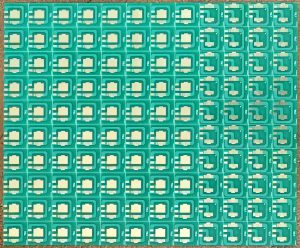
Custom PCB Circuit Boards
A PCB board, or Printed Circuit Board, is the foundational element upon which electronic circuits are built. It provides the physical structure for mounting and connecting electronic components, enabling the creation of functional electronic devices.
Key Features of Custom PCB Circuit Boards
- Substrate Material: The substrate, typically made of fiberglass or other insulating materials, provides the base for the PCB. It ensures structural integrity and electrical insulation.
- Conductive Paths: Copper traces are etched onto the substrate to create conductive paths that connect various components on the board. These traces form the electrical circuits.
- Components and Connectors: PCBs are populated with electronic components such as resistors, capacitors, ICs, and connectors, which are soldered onto the board.
- Layers: PCBs can have multiple layers to accommodate complex circuits and high-density designs. Each layer adds additional conductive paths and components.
Manufacturing Process of Custom PCB Circuit Boards
- Design: The PCB design is created using specialized software, defining the layout of components and conductive paths.
- Fabrication: The board is fabricated by laminating layers of conductive and insulating materials. The desired circuit pattern is transferred onto the board using photoresist and etching techniques.
- Drilling: Precision drilling creates holes for components and vias that connect different layers of the board.
- Plating: Conductive material is plated onto the drilled holes to establish electrical connections.
- Solder Mask and Silkscreen: A solder mask is applied to protect the copper traces and prevent short circuits. The silkscreen layer adds labels and markings for component placement.
- Assembly: Components are placed onto the board and soldered in place using automated or manual soldering techniques.
- Testing: The final PCB undergoes rigorous testing to ensure it meets design specifications and functions correctly.
Applications of PCB Boards
- Consumer Electronics: Found in virtually all electronic devices, including smartphones, tablets, TVs, and household appliances.
- Industrial Equipment: Used in machinery, control systems, and automation equipment.
- Medical Devices: Integral to diagnostic equipment, patient monitoring systems, and medical imaging devices.
Conclusion
Custom PCB Circuit Boards, multilayer PCBs, and standard PCB boards are crucial components in the world of electronics. Custom circuit boards provide tailored solutions for specific applications, multilayer PCBs offer enhanced performance and complexity, and PCB boards serve as the foundational element of all electronic devices.
our linkedin sqpcb.com

- long board pcb
- Flexible PCBs
- Special PCB
- Express Printed Circuit Board
- Pcb Prototype
- LED PCB
- PCB
- Printed Circuit Board
- Pcb meaning
- Pcb manufacturer
- Rigid pcb board
- Rigid Flex PCB
 Quote
Quote
 E-mail