White Stuff on Circuit Board: Causes, Prevention, and Cleaning Methods
Electronic circuit boards are essential in modern devices, but sometimes you may notice a white residue or powdery substance appearing on the PCB (Printed Circuit Board). This white stuff can be a sign of contamination, oxidation, or residue left after manufacturing. Identifying its cause and applying the correct cleaning method is essential to maintaining the functionality and longevity of the PCB.
In this article, we will explore the common causes of white residue on circuit boards, its potential impact on electronics, and effective cleaning methods to remove and prevent it.
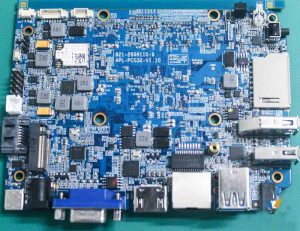
white stuff on circuit board
1. What is the white stuff on circuit board?
The white residue on a PCB can appear in different forms, including:
- Powdery deposits
- Sticky or waxy coatings
- Crystalline or flaky residues
- Chalky white stains
This white substance can result from various factors, including flux residues, oxidation, corrosion, or chemical reactions. While some residues may be harmless, others can affect the electrical performance of the PCB or lead to long-term damage.
2. Common Causes of White Residue on a Circuit Board
(1) Flux Residue from Soldering
One of the most common reasons for white residue on a PCB is leftover flux from soldering. Flux is a chemical used to clean oxidation from metal surfaces and improve soldering quality.
- Types of Flux and Their Residue:
- Rosin-based flux: Leaves a sticky residue that turns white over time.
- No-clean flux: Generally leaves minimal residue, but improper application can cause white stains.
- Water-soluble flux: If not properly washed, it can leave conductive or corrosive residues.
Impact:
- Can lead to circuit malfunctions or short circuits if conductive.
- Aesthetically unappealing and can affect product reliability.
Prevention & Cleaning:
- Use proper flux removal techniques, such as isopropyl alcohol (IPA) cleaning.
- Ensure thorough washing of water-soluble flux residues.
(2) Oxidation and Corrosion
Exposure to moisture, humidity, or corrosive environments can lead to oxidation or corrosion on PCB surfaces.
- Signs of Oxidation:
- White, green, or black discoloration on solder joints or copper traces.
- Powdery white or greenish layers on metal components.
Causes:
- High humidity environments.
- Electrochemical reactions due to residual conductive materials.
- Exposure to salt air, industrial pollution, or corrosive chemicals.
Prevention & Cleaning:
- Store PCBs in dry, controlled environments.
- Use conformal coatings to protect against corrosion.
- Clean oxidation with electronic-safe contact cleaners or baking soda solutions.
(3) Water and Chemical Contamination
Sometimes, circuit boards come into contact with water, cleaning agents, or other chemicals, leaving behind white stains.
Possible causes include:
- Exposure to tap water (which contains minerals that leave deposits).
- Using improper cleaning solvents that leave chemical residues.
- Leftover alkaline or acidic residues from PCB manufacturing.
Impact:
- Water can lead to short circuits or long-term damage.
- Chemical residues can weaken PCB solder joints and components.
Prevention & Cleaning:
- Use distilled or deionized water when cleaning.
- Apply electronic-safe cleaning solutions instead of general-purpose cleaners.
- Dry the PCB completely before use.
(4) Conformal Coating or Adhesive Residue
Conformal coatings and adhesives are sometimes used on PCBs for protection against moisture and dust. However, over time, they can break down and leave white residue.
Signs:
- White, flaky, or rubbery deposits on coated surfaces.
- Uneven patches where the coating has degraded.
Causes:
- Aging or improper application of conformal coatings.
- Reaction with heat, humidity, or chemical exposure.
Prevention & Cleaning:
- Use high-quality conformal coatings to prevent degradation.
- Remove old coatings using specialized conformal coating removers.
3. How to Clean White Residue from a Circuit Board
Depending on the cause, different cleaning techniques may be required to safely remove white residue from PCBs.
(1) Isopropyl Alcohol (IPA) Cleaning
Best for: Flux residues, mild oxidation.
✅ Use 99% isopropyl alcohol (IPA) and a soft brush or lint-free cloth.
✅ Gently scrub affected areas to dissolve and remove residues.
✅ Allow the board to dry completely before reassembly.
(2) Deionized Water and Ultrasonic Cleaning
Best for: Water-soluble flux, mineral deposits.
✅ Rinse the PCB with deionized water to remove water-based contaminants.
✅ For stubborn residues, use an ultrasonic cleaner with electronic-safe detergents.
✅ Dry thoroughly using compressed air or an oven (below 60°C/140°F).
(3) Baking Soda and Vinegar Solution
Best for: Oxidation and corrosion.
✅ Mix baking soda with water to create a paste.
✅ Apply gently with a brush and let it sit for a few minutes.
✅ Rinse with deionized water and dry thoroughly.
(4) Specialized PCB Cleaners
Best for: Conformal coatings, adhesives.
✅ Use commercial PCB cleaning solutions designed for electronic components.
✅ Follow manufacturer instructions for safe application.
4. How to Prevent White Residue on PCBs
✅ Use Proper Soldering Techniques – Apply flux correctly and clean excess residue.
✅ Store PCBs in Dry Conditions – Avoid moisture exposure and use sealed anti-static bags.
✅ Use High-Quality Conformal Coatings – Protect against environmental contaminants.
✅ Select Safe Cleaning Agents – Avoid using tap water or aggressive chemicals.
✅ Regularly Inspect PCBs – Catch early signs of residue buildup before it causes damage.
FAQ
Q1: Can I use rubbing alcohol (70% IPA) to clean PCB white residue?
Q2: Does all white residue on PCB need to be cleaned immediately?
Q3: Will white residue cause short circuit?
Q4: Can ultrasonic cleaning damage PCB components?
Q5: How long can PCBs be stored to avoid white bloom?
Q6: Is conformal coating whitening repairable?
5. Conclusion
The white stuff on a circuit board can be caused by flux residue, oxidation, water contamination, or conformal coating breakdown. While some residues are harmless, others can interfere with circuit performance and require immediate cleaning.
Using isopropyl alcohol, deionized water, baking soda solutions, and ultrasonic cleaning can effectively remove white residue from PCBs. Preventative measures like proper soldering, dry storage, and protective coatings can help maintain PCB reliability and longevity.
For professional PCB manufacturing and assembly, Shuoqiang Electronics (SQPCB) offers high-quality PCB production, thorough cleaning processes, and expert solutions to prevent contamination issues. Contact us today for custom PCB services and expert support! 🚀

- Special PCB
- long board pcb
- Flexible PCBs
- Special PCB
- Express Printed Circuit Board
- Pcb Prototype
- LED PCB
- PCB
- Pcb Meaning
- Printed Circuit Board
- Pcb manufacturer
- Rigid pcb board
 Quote
 E-mail