What is FR4? A Comprehensive Guide to FR4 PCB Material
Printed circuit boards (PCBs) are the backbone of modern electronics, and FR4 is the most widely used PCB substrate material. It provides an excellent balance of mechanical strength, electrical insulation, and cost-effectiveness, making it the industry standard for a wide range of applications.
In this article, we will explore what FR4 is, its properties, advantages, applications, and how it compares to other PCB materials.
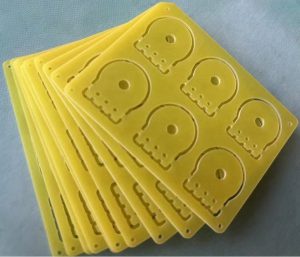
what is fr4
What is FR4?
FR4 (Flame Retardant 4) is a fiberglass-reinforced epoxy laminate used as a base material for PCB manufacturing. It is made from woven fiberglass cloth that is impregnated with epoxy resin, giving it high strength, durability, and excellent electrical insulation.
The “FR” in FR4 stands for “Flame Retardant”, meaning that the material is self-extinguishing and meets fire safety requirements. Due to its high-performance characteristics, FR4 is the most common dielectric material used in PCBs today.
Properties of FR4
FR4 is widely used due to its balanced electrical, thermal, and mechanical properties. Below are its key features:
1. Electrical Insulation
✔ High dielectric strength, preventing electrical leakage.
✔ Low dielectric constant (Dk ~4.3 – 4.7), ensuring good signal integrity.
✔ Low dissipation factor (Df ~0.02), reducing signal loss in high-frequency circuits.
2. Mechanical Strength
✔ High tensile and flexural strength, providing excellent durability.
✔ Maintains structural integrity under mechanical stress.
3. Thermal Stability
✔ Glass Transition Temperature (Tg): 130°C – 180°C, making it suitable for different temperature environments.
✔ Good thermal resistance, preventing warping or delamination.
✔ Compatible with lead-free soldering (higher Tg FR4 variants recommended).
4. Moisture and Chemical Resistance
✔ Low moisture absorption (<0.10%), making it ideal for humid environments.
✔ Resistant to acids, solvents, and other chemicals, ensuring long-term stability.
Types of FR4 Materials
FR4 is available in different grades, depending on the performance requirements of the application.
| FR4 Type | Glass Transition Temperature (Tg) | Application |
|---|---|---|
| Standard FR4 | 130°C – 140°C | General-purpose PCBs |
| High-Tg FR4 | 150°C – 170°C | High-temperature applications |
| FR4 with Low Dk/Df | 140°C – 180°C | High-speed, high-frequency PCBs |
| Halogen-Free FR4 | 130°C – 180°C | Environmentally friendly PCBs |
High-Tg FR4 is recommended for automotive, industrial, and high-power electronics, as it can withstand higher temperatures without degradation.
Advantages of FR4 in PCB Manufacturing
FR4 is the preferred material for PCB fabrication due to several benefits:
✔ Cost-Effective – Affordable compared to high-performance materials like Rogers or ceramic.
✔ High Mechanical Strength – Ensures PCB durability and reliability.
✔ Excellent Electrical Insulation – Prevents signal interference and leakage.
✔ Thermal Stability – Suitable for a wide range of operating temperatures.
✔ Versatile Applications – Used in consumer electronics, automotive, aerospace, and industrial devices.
✔ Compatible with Various PCB Layers – Used in single-layer, double-layer, and multilayer PCBs.
Applications of FR4 PCBs
Due to its excellent electrical, mechanical, and thermal properties, FR4 is used across various industries:
1. Consumer Electronics
- Smartphones, tablets, and laptops
- Home appliances and smart devices
- Audio and video equipment
2. Automotive Electronics
- Engine control units (ECUs)
- Infotainment systems
- Advanced Driver Assistance Systems (ADAS)
3. Industrial Equipment
- Automation systems
- Robotics and control panels
- Power supplies and converters
4. Aerospace and Defense
- Avionics and satellite communication
- Military-grade electronics
- Radar and sensor systems
5. Medical Devices
- Diagnostic imaging equipment
- Patient monitoring systems
- Portable medical devices
Comparison: FR4 vs. Other PCB Materials
While FR4 is the most commonly used PCB material, there are other alternatives for specialized applications. Here’s how FR4 compares:
| Property | FR4 | Rogers (High-Frequency) | Aluminum (Metal Core PCB) | Ceramic PCB |
|---|---|---|---|---|
| Cost | Low | High | Medium | High |
| Dielectric Constant (Dk) | 4.3 – 4.7 | 3.0 – 3.5 | 6 – 10 | 7 – 10 |
| Thermal Conductivity | 0.4 W/m·K | 0.6 W/m·K | 2 – 5 W/m·K | 20+ W/m·K |
| Mechanical Strength | High | Moderate | High | High |
| Best for | General PCBs | High-frequency, RF applications | LED lighting, power electronics | High-power, high-temperature environments |
- Rogers PCBs are preferred for RF and microwave applications due to their lower dielectric constant.
- Aluminum PCBs are ideal for LED and power applications, as they provide better heat dissipation.
- Ceramic PCBs offer high thermal conductivity for aerospace, military, and high-power applications.
For most general and high-reliability applications, FR4 remains the best choice due to its balance of cost, durability, and electrical performance.
How to Choose the Right FR4 Material?
When selecting FR4 material for your PCB, consider the following:
✔ Operating Temperature: Use High-Tg FR4 for applications exceeding 130°C.
✔ Layer Count: Standard FR4 works well for 1-4 layers, while high-Tg FR4 is recommended for multilayer PCBs.
✔ Signal Speed: For high-frequency applications, use low-Dk FR4 or alternative materials like Rogers.
✔ Environmental Compliance: If RoHS compliance is required, opt for halogen-free FR4.
Conclusion
FR4 is the most widely used PCB material, offering an excellent combination of electrical insulation, mechanical strength, and cost-effectiveness. It is suitable for consumer electronics, automotive, industrial, aerospace, and medical applications.
For businesses seeking high-quality FR4 PCB manufacturing, Shenzhen Shuoqiang Electronics provides custom FR4 PCB solutions tailored to your application needs. Contact us today for a quote on standard and high-Tg FR4 PCBs!

- long board pcb
- Flexible PCBs
- Special PCB
- Express Printed Circuit Board
- Pcb Prototype
- LED PCB
- PCB
- Printed Circuit Board
- Pcb meaning
- Pcb manufacturer
- Rigid pcb board
- Rigid Flex PCB
 Quote
Quote
 E-mail