Speedy Circuits: The Importance of Fast and Efficient PCB Design in Modern Electronics
Introduction
In today’s rapidly evolving electronics industry, speed and efficiency are paramount. As devices become more complex and demanding, manufacturers and designers are under increasing pressure to deliver high-performance circuit boards in shorter timeframes. This growing need has led to the rise of speedy circuits, a term referring to the trend of creating high-speed printed circuit boards (PCBs) that can support faster data transmission, minimal signal delay, and efficient power distribution.
In this article, we will explore what constitutes a speedy circuit, the importance of designing high-speed PCBs, key considerations when designing for speed, and the role of materials and manufacturing techniques in achieving high-speed performance. We will also dive into some of the challenges designers face and how the latest technologies are helping to overcome these obstacles.
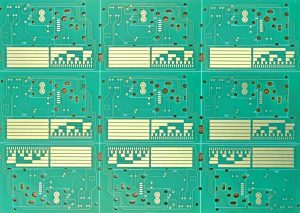
Speedy Circuits
What Are Speedy Circuits?
A speedy circuit refers to a PCB designed to operate with minimal delay and maximum efficiency, particularly in high-frequency applications. These types of circuits are engineered to handle signals at extremely high speeds, enabling faster data transfer rates, lower power consumption, and better overall system performance.
While the term “speedy circuits” is not an official technical term, it is commonly used to describe high-speed PCBs used in applications that demand rapid signal processing, such as:
- Data centers
- 5G and telecommunications
- High-performance computing (HPC)
- Consumer electronics (smartphones, tablets)
- Automotive systems (ADAS and infotainment)
The design of speedy circuits requires careful attention to factors like signal integrity, impedance matching, power integrity, and the materials used in manufacturing the PCB. These boards must be able to handle data at high frequencies without signal degradation or interference.
Importance of Speedy Circuits in Modern Electronics
As electronic devices continue to evolve, the demand for faster processing speeds, higher data throughput, and lower latency grows. Speedy circuits are essential in meeting these needs. Let’s break down their significance in some key industries:
1. Telecommunications and 5G Technology
The advent of 5G has brought with it the need for ultra-fast data transmission speeds. High-speed circuits are vital for telecommunications equipment, base stations, and devices that require fast and uninterrupted data flow. Speedy PCBs support the millimeter-wave frequency ranges that are integral to 5G infrastructure, ensuring reliable and fast communication.
2. Consumer Electronics
With the increasing demand for faster processors, high-resolution displays, and enhanced connectivity features (such as Wi-Fi 6 and Bluetooth 5.0), the role of speedy circuits in smartphones, tablets, and other consumer devices has become more critical. These devices require high-frequency signals to process large amounts of data quickly while maintaining performance and energy efficiency.
3. Automotive Industry
In automotive applications, particularly those related to advanced driver-assistance systems (ADAS) and infotainment systems, fast data processing is required to ensure real-time communication between sensors, cameras, and control units. Speedy circuits are essential for seamless sensor fusion, rapid decision-making, and autonomous driving.
4. High-Performance Computing
In industries like cloud computing and artificial intelligence (AI), the need for speedy circuits is ever-present. High-speed PCBs support high-frequency processors, memory, and high-bandwidth components that process large datasets quickly. Speedy circuits are crucial for maintaining system performance in data centers and HPC systems.
Key Considerations in Designing Speedy Circuits
Designing for speed involves overcoming numerous challenges to ensure that circuits can handle high-frequency signals and minimize latency. Here are some important factors to consider:
1. Signal Integrity
One of the most critical aspects of designing speedy circuits is ensuring signal integrity. Signal integrity refers to maintaining the quality of the signal as it travels through the PCB. High-speed signals are prone to issues like reflection, crosstalk, and attenuation. To maintain signal integrity, designers must:
- Minimize trace lengths.
- Use controlled impedance for traces.
- Avoid sharp corners in trace routing.
- Use ground planes to reduce noise.
2. Impedance Matching
Impedance matching ensures that signals travel through the PCB without reflection or loss. A mismatch in impedance between components, traces, or connectors can lead to signal distortion or complete signal loss. For high-speed circuits, designers must match the characteristic impedance of the transmission lines with the source and load impedances.
3. Power Integrity
Power integrity is just as important as signal integrity in high-speed circuit design. Voltage drops or noise in power delivery networks can impact the performance of high-frequency circuits. Designers need to ensure:
- Stable power supply with low ripple.
- Decoupling capacitors placed close to high-speed components.
- Low-resistance power planes.
4. Material Selection
The materials used for the PCB are critical to achieving high-speed performance. The choice of substrate material affects the board’s signal propagation speed and attenuation. Common materials for high-speed PCBs include:
- FR-4 for general use (though not ideal for very high-speed circuits).
- PTFE (Teflon) for very high-frequency designs.
- Polyimide and ceramic-based substrates for more specialized applications.
5. Design for Manufacturability
While high-speed performance is a priority, designers must also ensure that the PCB is cost-effective to produce. Designs must be optimized for manufacturing to ensure that high-frequency components are positioned correctly and that trace widths and spacing meet industry standards.
Technologies and Materials Driving Speedy Circuits
1. HDI PCBs (High-Density Interconnect)
HDI PCBs are a popular choice for designing high-speed circuits. These boards feature finer traces, smaller vias, and more layers, allowing for better signal routing and higher-density component placement. HDI technology helps reduce the size of the PCB while maintaining high performance, making them ideal for mobile devices, wearables, and automotive electronics.
2. Embedded Components
In some high-speed applications, embedded components are integrated directly into the PCB. This allows for shorter signal paths and faster signal transmission. For example, passive components like resistors and capacitors can be embedded within the layers of the PCB, helping to reduce parasitic inductance and capacitance.
3. Advanced Surface Finishes
The surface finish of a PCB plays a vital role in its performance. Advanced finishes like ENIG (Electroless Nickel Immersion Gold) and Immersion Silver provide excellent solderability and reduced signal loss, making them ideal for high-speed applications. These finishes ensure reliable electrical connections with minimal resistance.
4. Simulation Tools and Software
Modern simulation tools like Ansys HFSS and Keysight ADS allow designers to simulate high-frequency circuit performance before physical prototyping. These tools help designers predict issues with signal integrity and power integrity, allowing for adjustments to be made early in the design process.
Challenges in Designing Speedy Circuits
Despite advancements in technology, designing high-speed circuits comes with its own set of challenges:
- Managing Signal Interference: High-frequency signals are susceptible to interference, which can degrade signal quality.
- Minimizing Power Loss: As circuit speeds increase, so does the demand for power. Power loss due to resistance and parasitics needs to be minimized.
- Thermal Management: Faster circuits generate more heat, requiring proper thermal management to prevent overheating and component failure.
Conclusion
As electronic devices continue to demand higher performance and faster data transfer rates, the design and manufacturing of speedy circuits are becoming more important than ever. By focusing on factors like signal integrity, impedance matching, and power integrity, designers can ensure that high-speed PCBs perform optimally.
With the advancements in HDI technology, embedded components, and advanced materials, the future of speedy circuits looks bright. As applications in telecommunications, consumer electronics, automotive systems, and high-performance computing continue to evolve, so too will the technologies enabling the next generation of high-speed printed circuit boards.
our linkedin sqpcb.com

- long board pcb
- Flexible PCBs
- Special PCB
- Express Printed Circuit Board
- Pcb Prototype
- LED PCB
- PCB
- Printed Circuit Board
- Pcb meaning
- Pcb manufacturer
- Rigid pcb board
- Rigid Flex PCB
 Quote
Quote
 E-mail