Silkscreen PCB, often known as the marking layer of printed circuit board, is a vital part of PCB manufacturing.It acts as a key medium for visual identification while also affecting circuit functionality and long-term durability.
In this article, we will explore the importance of silkscreen PCBs, covering their production workflow, types, advantages, manufacturing challenges, and industry applications.
Read on to learn why silkscreen PCBs play an indispensable role in modern electronics.
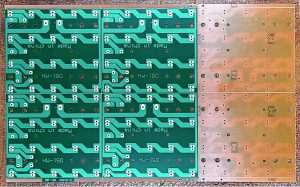
Silkscreen PCB
1. Introduction to Silkscreen PCB
Silkscreen PCB is a process applied to printed circuit boards where ink is used to mark important components, pads, and other elements on the PCB. It adds the necessary labels and symbols that help with the assembly and identification of circuit components. Silkscreen printing isn’t just about marking components—it’s integral to ensuring proper PCB operation by providing critical visual guidance for assemblers.
Silkscreen printing uses specialized ink applied over the PCB’s copper traces. The main purpose of the silkscreen layer is to indicate component placement positions and display important circuit information such as part numbers, polarity indicators, and other labels. Without this step, PCB assembly would be chaotic and error-prone.
Silkscreen delivers both functional and aesthetic value to a PCB. It offers clear visual references for assembly teams to quickly identify components, reducing errors and improving efficiency during manufacturing.
Table 1: Key Features of Silkscreen PCB
| Property | Description | Impact on PCB Performance |
|---|---|---|
| Ink Type | Specialized ink used for marking | Ensures clear component identification |
| Durability | Resists wear and damage over time | Increases PCB longevity |
| Visibility | High contrast between components and traces | Enhances assembly speed and accuracy |
| Resistance to Heat | Heat-resistant properties of the silkscreen ink | Prevents damage during soldering and reflow |
2. What is Silkscreen PCB?
A silkscreen PCB refers to a PCB printed with an ink layer for marking essential information related to PCB components. The term “silkscreen” originates from the traditional printing method, which uses a fine mesh screen to transfer ink onto the PCB surface. This layer mainly identifies component locations and provides useful markings such as polarity indicators, serial numbers, and other component-related details.
While its primary function is to aid assembly, the silkscreen layer also improves the PCB’s aesthetics and usability. It plays a vital role in user interface and maintenance, especially for end users or device technicians.
The silkscreen printing process consists of several key steps, including selecting the proper ink and mesh, and accurately printing required markings on the PCB surface. These markings are typically white or yellow, offering high contrast against the substrate for easy visibility.
Table 2: Components of Silkscreen PCB
| Component | Description | Function in the PCB |
|---|---|---|
| Copper Layer | Thin copper traces applied to PCB surface | Carries electrical signals |
| Silkscreen Ink | Special ink used to print markings | Identifies component locations and instructions |
| Substrate | Base material (e.g., FR4) | Provides structural support |
| Soldermask Layer | A protective layer to prevent solder bridges | Prevents electrical shorts and protects traces |
3. The Role of Silkscreen in PCB Manufacturing
The Role of Silkscreen in PCB Manufacturing
Silkscreen plays a critical role in the PCB manufacturing process.It marks component placement and other key details required during assembly. Silkscreen is particularly important for high-volume manufacturing, where precise component placement and fast identification are essential. It simplifies assembly and boosts efficiency by enabling assembly teams to quickly locate component positions.
The silkscreen layer also supports PCB durability and functionality. During soldering, especially wave soldering, silkscreen offers partial protection for copper traces, shielding them from excessive heat and preserving the PCB’s structural integrity. Furthermore, silkscreen ensures proper orientation of critical components such as diodes, capacitors and ICs, avoiding wrong placement.
The silkscreen layer is more than an assembly guide. It contributes significantly to the long-term performance and reliability of the finished product.
Table 3: Importance of Silkscreen in PCB Manufacturing
| Benefit | Description | Application |
|---|---|---|
| Component Placement | Identifies the exact location for components | Critical for assembly in mass production |
| Heat Protection | Shields copper traces during soldering | Prevents damage and ensures better soldering |
| Visual Clarity | Enhances visibility of components and traces | Improves the speed and accuracy of assembly |
| Long-Term Durability | Increases the lifespan of the PCB | Provides better overall protection of the board |
4. The Silkscreen Process: How It Works
The silkscreen printing process is relatively simple yet vital to PCB manufacturing. It begins with preparing a mesh stencil: the artwork pattern is transferred onto the photoresist-coated mesh using UV exposure and etching. It is a precision process that demands high accuracy to ensure component markings are positioned correctly, with crisp, legible printed text.
During printing, ink is forced through the mesh onto the PCB surface. Ink only penetrates the unblocked areas of the mesh, leaving the required text and symbols on the board. This process can be performed manually or by automated equipment, depending on production volume.
This process delivers consistent, clear markings on every PCB, regardless of size or complexity. Such markings are essential for both assembly and final inspection.
Table 4: Steps in Silkscreen PCB Process
| Step | Description | Purpose |
|---|---|---|
| Preparing the Mesh | A fine mesh screen is prepared with the design | Allows ink to be transferred to the PCB |
| Applying the Ink | Ink is pushed through the screen onto the board | Transfers design markings onto the PCB |
| Curing the Ink | The ink is heated to dry and set the printing | Ensures that the ink adheres properly |
| Final Inspection | The silkscreen layer is inspected for defects | Ensures high quality and clarity of markings |
5. Types of Silkscreen Printing Techniques
When it comes to silkscreen PCB printing, different techniques are adopted depending on the production scale and PCB design complexity. Traditional silkscreen printing, automated printing, and digital printing are the primary types widely used in the industry today.
Traditional silkscreen printing is typically applied to small-to-medium scale production. It involves manually applying ink to the screen and pressing it onto the PCB. Though time-consuming, this method works efficiently for custom designs. On the other hand, automated silkscreen printing is suitable for high-volume production and delivers improved speed and consistency.
As technology advances, digital printing methods have also become prevalent in the PCB industry. Digital printing offers greater flexibility and supports more complex design printing without requiring physical screens.
Table 5: Comparison of Silkscreen Printing Techniques
| Printing Technique | Pros | Cons |
|---|---|---|
| Traditional Silkscreen | Cost-effective, highly customizable | Slower and more labor-intensive |
| Automated Silkscreen | Faster, highly consistent, ideal for mass production | Higher initial setup cost |
| Digital Printing | Highly flexible, faster turnaround time | Limited by resolution, not ideal for large volumes |
6. Materials Used in Silkscreen PCB
The quality of a silkscreen PCB heavily depends on the materials used, specifically the ink and screen mesh. Silkscreen printing ink must withstand high temperatures and mechanical stress without fading or peeling. Typically, epoxy-based inks are selected for their excellent adhesion and durability.
The type of silkscreen ink directly impacts the longevity and readability of printed markings. For high-performance applications, silkscreen ink must endure harsher environmental conditions, making material selection a critical step in the design process.
Another key component is the screen mesh. Stainless steel or polyester meshes are widely used for silkscreen printing thanks to their durability and wear resistance.
Table 6: Common Materials for Silkscreen Printing
| Material | Properties | Best Use Case |
|---|---|---|
| Epoxy-based Ink | Heat resistant, strong adhesion | High-performance PCBs, automotive electronics |
| Polyester Mesh | Durable, resistant to abrasion | Precision printing for high-density boards |
| Stainless Steel Mesh | Strong, long-lasting | High-volume PCB printing |
7. Key Benefits of Silkscreen PCB
Silkscreen PCB offers numerous benefits that make it the preferred choice for many electronic applications. One major advantage is the clear marking of component locations to assist assembly. This reduces errors and improves manufacturing efficiency.
Silkscreen also helps protect PCBs from environmental factors such as moisture and dust, extending PCB service life and maintaining stable functionality.
Clear markings for component polarities, test points and other critical data improve the overall usability of circuit boards. For high-density designs, silkscreen guides assembly workers and technicians to avoid placement mistakes.
Table 7: Benefits of Silkscreen PCB
| Benefit | Description | Application |
|---|---|---|
| Improved Visibility | Clear marking of components and components placement | Assembly, component identification |
| Enhanced Protection | Shields against external factors like dust and moisture | Industrial, automotive, and medical devices |
| Increased Efficiency | Helps in fast and error-free assembly process | Mass production of PCBs |
8. Common Issues in Silkscreen PCB Printing
Like any manufacturing process, silkscreen PCB printing may encounter various problems. Misalignment ranks among the most common issues, especially on high-density PCBs where precise positioning is critical. Insufficient ink coverage, smudging and fading are also frequent defects that can compromise the quality of the finished boards.
The silkscreen process is intricate and requires a controlled working environment and close attention to detail. Proper equipment calibration and consistent ink application are essential to maintain high output quality.
Resolving these issues early during design and production can prevent costly mistakes and manufacturing delays.
Table 8: Common Issues in Silkscreen Printing
| Issue | Cause | Solution |
|---|---|---|
| Misalignment | Incorrect setup or lack of precision | Use automated silkscreen printing techniques |
| Smudging | Excess ink or improper curing | Ensure proper drying and curing processes |
| Fading | Low-quality ink or exposure to high temperatures | Use durable, heat-resistant inks |
9. How Silkscreen PCB Enhances PCB Performance
Silkscreen PCB does more than just mark components; it contributes to the overall performance of the PCB. By ensuring that component placements are correctly identified and by offering Silkscreen PCB does more than mark components; it improves the overall performance of the PCB. By clearly identifying component locations and offering protection during assembly, silkscreen layers help preserve the circuit board’s long-term functionality.
Silkscreen helps avoid short circuits and component misplacement, which may cause circuit failure. As a clear guide for assembly, the silkscreen layer reduces assembly errors and boosts product reliability.
Table 9: Silkscreen’s Impact on PCB Performance
| Impact on Performance | Description | Benefit |
|---|---|---|
| Enhanced Assembly | Clear identification of components | Reduces assembly errors, improving efficiency |
| Improved Reliability | Protection during the soldering process | Prevents damage to copper traces and components |
| Increased Longevity | Prevents physical wear and tear | Ensures longer PCB lifespan |
10. Silkscreen PCB for High-Density Circuits
High‑density circuits, as detailed at https://www.pcbsupplier.com/pcb‑manufacturing‑process/, require precise silkscreen printing to accommodate higher component counts and reduced spacing. For these designs, the silkscreen layer must be applied with greater accuracy to avoid assembly errors.
As PCB complexity rises, the silkscreen layer grows even more critical. Without clear silkscreen markings, assembly technicians may misplace components or misinterpret board layout, resulting in non‑functional or poorly performing PCBs.
Table 10: Silkscreen’s Role in High-Density PCBs
| Challenge | Solution | Application |
|---|---|---|
| Component Placement | High-precision silkscreen printing | High-density designs like smartphones and tablets |
| Fine Detail | Use of advanced printing technologies | Complex industrial and medical applications |
| Layout Consistency | Automated silkscreen application | High-performance electronic systems |
FAQ Section
Q1: What is silkscreen PCB?
Silkscreen PCB refers to a printed circuit board with an ink layer for marking component locations and other essential details.
Q2: How does silkscreen printing work?
Silkscreen printing forces ink through a mesh screen onto the PCB surface to form component markings, labels and indicators.
Q3: What are the benefits of using silkscreen PCBs?
Silkscreen PCBs deliver clear marking visibility, improved assembly accuracy and long-term durability by offering resistance to environmental factors.
Q4: What are common issues in silkscreen PCB printing?
Misalignment, smudging and ink fading are typical defects that can compromise the quality of silkscreen PCBs.
Q5: How does silkscreen PCB contribute to PCB performance?
Silkscreen helps improve assembly accuracy, avoid placement errors and offer protection during manufacturing. All these factors boost the PCB’s overall performance and reliability.

- Special PCB
- long board pcb
- Flexible PCBs
- Special PCB
- Express Printed Circuit Board
- Pcb Prototype
- LED PCB
- PCB
- Printed Circuit Board
- Pcb Meaning
- Pcb manufacturer
- Rigid pcb board
 Quote
 E-mail