- Base Material: FR4/CEM3/CEM1/FR1/HighTG/LF/HF/High frequency/Al base/Cu base
- Max Board Size:1L 1800*800mm;2L 1200*600mm;≧4L 1200*600mm
- Copper thickness: 1-12OZ
- Min line / space : 3/3mil
- Surface treatment: HASL, OSP, ENIG, Immersion Tin, Immersion Ag, Au plating
- Lead time: 1-3 days trial order, 5-7 days for normal order
- Shipment: DHL/Fedex/UPS/TNT/EMS/AIR/SEA ect,Follow customers requirements
- SMD SMT DIP Component Assembly
Custom pcb boards is a
printed circuit board (PCB) designed to meet specific requirements, such as size, functionality, or performance criteria. Unlike off-the-shelf PCBs, custom boards allow complete control over circuit board layout, components, and materials, enabling precise circuit board customization for advanced electronic applications.
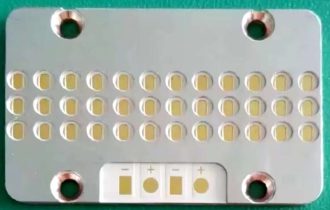
[caption id="attachment_2411" align="alignnone" width="300"]
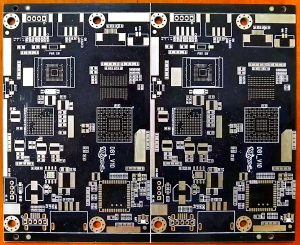
custom pcb boards[/caption]
Standard PCBs vs. custom pcb boards: What’s the Difference?
- Standard PCBs: Generic designs for common applications with limited flexibility.
- Custom Circuit Boards: Tailored to exact specifications, offering features like flexible PCBs, rigid-flex PCBs, and HDI technology to address unique requirements.
Common Applications for custom pcb boards
- Prototyping new electronic devices using PCB prototyping methods.
- High-frequency PCBs for telecommunication and RF systems.
- Specialized industrial or medical equipment requiring custom electronic circuits.
Planning Your Custom PCB Project
Defining the Purpose and Scope of Your Circuit Board
Before starting your design, define:
- Functionality: What does your circuit need to do?
- Environment: Consider temperature, humidity, and other operational conditions.
- Size and Shape: Ensure it fits within your device or project constraints.
Essential Tools and Software for PCB Customization
- KiCAD: A beginner-friendly, open-source option.
- Eagle: Offers extensive component libraries for circuit board customization.
- Altium Designer: Professional-grade software for complex multilayer PCBs and custom electronic circuits.
How to Choose the Right Materials for Your Custom PCB
- FR4: Standard material for most applications.
- Rogers: Ideal for high-frequency PCBs.
- Polyimide: Suitable for flexible or rigid-flex PCBs requiring advanced PCB features.
Designing Your custom pcb boards
Key Steps to Create a Professional PCB Schematic
- Map Connections: Use schematic software to plan electrical pathways.
- Label Components: Ensure clarity with consistent naming conventions.
- Simulate Performance: Use tools to verify the design before moving to PCB fabrication.
Best Practices for Component Placement and Layout
- Place components logically based on their function.
- Avoid overlapping or crowded areas in the circuit board layout.
- Ensure proper spacing for thermal management and impedance control.
How to Optimize Trace Routing for Signal Integrity
- Use short, direct paths for high-speed signals.
- Employ controlled impedance techniques for sensitive designs.
- Minimize sharp angles and ensure consistent trace widths.
Exploring Advanced PCB Features
Multilayer PCBs: Why They Matter and How to Design Them
- Advantages: Compact size, improved performance, and reduced interference.
- Tips: Align layers carefully and use dedicated ground planes for stability.
Incorporating Flexible and Rigid-Flex PCB Designs
- Flexible PCBs: Ideal for wearable or foldable electronics.
- Rigid-Flex PCBs: Combine flexibility with structural support for complex assemblies.
Advanced Techniques: Thermal Management and Impedance Control
- Add thermal vias to dissipate heat efficiently.
- Use specialized materials for better heat resistance.
- Implement controlled impedance to maintain signal fidelity in high-frequency PCBs.
Prototyping and Testing Your custom pcb boards
The Importance of PCB Prototyping for Quality Assurance
Prototyping allows for:
- Testing the functionality of your design.
- Identifying and resolving potential flaws in custom PCB solutions.
- Validating manufacturing processes for PCB reliability.
Common Prototyping Methods and Their Benefits
- Breadboarding: Quick and easy but less durable.
- CNC Milling: Precision and speed for small-batch PCB production.
- 3D Printing: Useful for testing fit and form.
Effective Testing Techniques for Reliable Circuit Boards
- Continuity Testing: Ensure all connections are complete.
- Load Testing: Verify performance under operational conditions.
- Signal Testing: Check for issues like crosstalk or noise in prototype circuit boards.
Working with PCB Manufacturers
How to Prepare Gerber Files for Manufacturing
Gerber files contain all the details manufacturers need, including:
- Copper layers and drill hole data for accurate PCB fabrication.
- Solder mask and silkscreen layers for clear labeling.
- Layer stack information for multilayer designs.
Choosing the Best Manufacturer for Your Needs
- Look for certifications like ISO 9001 and compliance with PCB industry standards.
- Compare lead times and costs for cost-effective PCB manufacturing.
- Read reviews and check sample quality before committing.
Tips for Small-Batch PCB Production
- Consolidate orders to save on PCB production cost.
- Use standard sizes and materials to reduce expenses.
- Collaborate closely with manufacturers to ensure accuracy.
Balancing Cost and Quality in Custom PCB Design
How to Reduce Production Costs Without Sacrificing Quality
- Minimize the number of layers in your PCB.
- Use standard components wherever possible.
- Avoid unnecessarily tight PCB manufacturing tolerances.
Understanding PCB Manufacturing Tolerances
Tolerances define acceptable variations in dimensions. Clearly specify:
- Trace width and spacing.
- Copper thickness and hole positions.
Budget-Friendly Tips for PCB Material Selection
- Choose FR4 for general applications.
- Opt for higher-grade materials only when required.
- Bulk-order components to lower costs.
Troubleshooting Common Custom PCB Issues
Fixing Signal Integrity Problems in Your Design
- Use ground planes to stabilize signals.
- Include decoupling capacitors near power pins.
How to Avoid Heat Dissipation Challenges
- Add heatsinks or thermal pads where needed.
- Increase copper thickness to improve heat conduction.
Common Pitfalls in PCB Prototyping and How to Overcome Them
- Double-check your design for missing connections.
- Test solder joints for stability and conductivity.
Staying Compliant with Industry Standards
The Most Important PCB Standards You Need to Know
- IPC-2221: General design standard.
- IPC-6012: Qualification and performance specification for rigid PCBs.
Certifications and Regulations for Custom Circuit Boards
- RoHS Compliance: Restricts hazardous substances.
- UL Certification: Ensures safety and reliability.
How to Ensure Your PCB Design Meets International Standards
- Research region-specific requirements.
- Collaborate with manufacturers experienced in global compliance.
Tips for Continuous Improvement
Learning from Prototyping Mistakes
Analyze errors to refine future designs, such as trace routing or material selection.
Leveraging Feedback to Improve Your PCB Designs
Gather insights from users and test engineers to enhance functionality and reliability.
Staying Updated with Emerging Trends in PCB Technology
- Follow industry blogs and attend webinars.
- Experiment with new materials and techniques, such as HDI or flexible designs.
Conclusion
Creating custom pcb boards is both an art and a science. By following these expert tips, you can design high-performance, reliable PCBs tailored to your exact needs. Whether you're prototyping or moving to production, your journey in custom PCB design will be a rewarding one, filled with learning and innovation.
linkedin
https://www.linkedin.com/feed/update/urn:li:activity:
7097167729337532416/ 
 Quote
Quote
 E-mail