Printed Circuit Board Assembly (PCBA) is a crucial process in electronics manufacturing, transforming a bare PCB into a fully functional electronic device. This process involves the precise placement and soldering of electronic components onto the board, ensuring optimal performance and reliability. As electronic devices continue to evolve, PCBA manufacturing has adapted with advanced techniques to meet the growing demand for smaller, more efficient, and high-performance products.
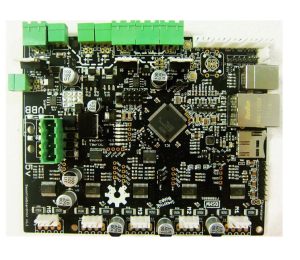
PCBA Manufacturing
The Basics of PCB Manufacturing
A Printed Circuit Board (PCB) forms the foundation of electronic devices by providing a structured platform for mounting components such as resistors, capacitors, and integrated circuits (ICs). The PCB manufacturing process includes several key stages:
1. PCB Design and Layout
- Engineers use specialized software to create circuit schematics and optimize board layouts for performance, signal integrity, and space efficiency.
- Advanced simulation tools help detect potential issues before fabrication.
2. Material Selection
- PCBs are commonly made from fiberglass-reinforced epoxy (FR4) with copper cladding.
- High-frequency applications may require specialized materials like Rogers laminates or aluminum-based substrates for better thermal management.
3. Etching and Drilling
- Chemical etching removes excess copper to define circuit pathways.
- Precision drilling creates holes for component leads and vias that connect different PCB layers.
4. Solder Mask and Silkscreen Application
- A solder mask is applied to insulate copper traces and prevent solder bridging.
- Silkscreen printing labels components, polarity markers, and other essential assembly details.
5. Electrical Testing
- PCBs undergo electrical testing to check for shorts, open circuits, and impedance matching to ensure proper functionality before component assembly.
The Role of PCBA in the Manufacturing Process
After the PCB is fabricated, it moves on to the assembly phase, where electronic components are mounted and connected to create a working circuit. PCBA involves multiple critical steps:
1. Component Placement
- Automated pick-and-place machines accurately position components onto the PCB according to the design layout.
- For high-density boards, 3D vision systems ensure precision in placement.
2. Soldering Techniques
- Reflow Soldering: Used for surface-mount devices (SMDs), where solder paste is applied before heating in a controlled oven.
- Wave Soldering: Applied for through-hole components, where the board passes over a wave of molten solder to create strong electrical connections.
- Selective Soldering: Used in hybrid assemblies with a mix of SMD and through-hole components to target specific areas for soldering.
3. Inspection and Testing
- Automated Optical Inspection (AOI): Detects misaligned components, solder defects, and missing parts.
- X-ray Inspection: Used for quality checks in complex multi-layer boards and Ball Grid Array (BGA) components.
- Functional Testing: Ensures the assembled PCB operates as intended under simulated real-world conditions.
Advancements in PCBA Manufacturing
The electronics industry is constantly innovating, and PCBA manufacturing has evolved to meet modern demands. Some of the latest advancements include:
1. Surface-Mount Technology (SMT)
- SMT enables direct mounting of components onto the board surface, increasing component density and reducing overall device size.
- This technology supports miniaturization trends in consumer electronics, wearables, and high-speed communication devices.
2. High-Density Interconnect (HDI) PCBs
- HDI technology enables smaller, lighter, and more efficient PCBs by incorporating microvias and fine-pitch components.
- Widely used in smartphones, automotive systems, and high-performance computing.
3. Advanced Automation and Robotics
- Modern PCBA facilities use AI-driven automated assembly lines to improve speed, consistency, and accuracy.
- Robotics reduce manual errors and enable mass production with minimal human intervention.
4. Smart Factory Integration and IoT Connectivity
- Industry 4.0 has introduced real-time monitoring and predictive maintenance in PCB assembly processes.
- IoT-enabled machines optimize production efficiency and reduce defects by analyzing data trends.
The Importance of Quality Control in PCBA
Quality assurance is paramount in PCBA manufacturing to ensure product reliability and longevity. Manufacturers adhere to global standards such as IPC-A-610 for electronic assembly acceptability and ISO 9001 for quality management.
Key Quality Control Measures:
- Process Control: Continuous monitoring of soldering temperatures, alignment, and adhesion.
- Defect Prevention: Real-time analytics detect issues before assembly completion.
- Reliability Testing: Thermal cycling, vibration tests, and environmental stress tests ensure durability.
Conclusion
PCBA manufacturing is the backbone of the electronics industry, enabling the production of cutting-edge devices used across various sectors, including consumer electronics, automotive, medical, and telecommunications. With advancements in automation, surface-mount technology, and high-density PCBs, the industry continues to evolve, pushing the boundaries of efficiency and innovation.
As technology advances, PCBA manufacturers must continuously adapt, implementing new techniques to meet the increasing complexity and performance requirements of modern electronic devices. A strong focus on quality control, automation, and material innovation will be crucial in shaping the future of PCB assembly and production.

- long board pcb
- Flexible PCBs
- Special PCB
- Express Printed Circuit Board
- Pcb Prototype
- LED PCB
- PCB
- Printed Circuit Board
- Pcb meaning
- Pcb manufacturer
- Rigid pcb board
- Rigid Flex PCB
 Quote
Quote
 E-mail