PCB Board Price: Key Factors Affecting Cost and How to Get the Best Value
Introduction
The price of a printed circuit board (PCB) plays a crucial role in the overall cost of an electronic product. Whether you are designing a consumer device, industrial equipment, or medical device, understanding what influences PCB board pricing can help you make informed decisions when selecting a manufacturer. This article explores the key factors that affect PCB prices, from material choices to manufacturing processes, and provides insights into how to get the best value for your investment.
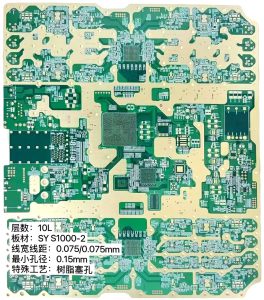
PCB Board Price
Key Factors That Influence PCB Price
1. PCB Type and Design Complexity
The type of PCB and its design complexity are among the most important factors that influence cost. There are several different types of PCBs, including:
- Single-layer PCBs: These are the most basic type of PCB, with a single conductive layer. They are cost-effective and ideal for simple applications.
- Double-layer PCBs: These feature two conductive layers and are more complex than single-layer boards. They are used in devices requiring more connections and can cost more due to the additional layer of circuitry.
- Multi-layer PCBs: Multi-layer boards are made up of multiple layers of conductive material and are designed for more complex electronic circuits. These are the most expensive type of PCB due to their intricate design and the advanced manufacturing process required.
The design complexity of the PCB also plays a significant role in pricing. The more complex the design (e.g., more components, smaller components, intricate routing), the higher the cost. Additional factors, such as the number of layers, the need for blind or buried vias, and the use of special techniques such as micro-vias or HDI (high-density interconnect) designs, further increase the cost.
2. Material Choice
The choice of material for the PCB also has a significant impact on pricing. Common PCB materials include:
- FR-4: This is the most common material used in PCB manufacturing and is typically the least expensive. It is made of fiberglass and epoxy resin, offering good strength and electrical insulation properties. It is suitable for most applications.
- Aluminum PCBs: Used in applications that require good thermal management (e.g., LED lighting, power electronics), aluminum PCBs can be more expensive due to the use of a metal core.
- Copper PCBs: Copper core PCBs are used in high-performance applications where superior electrical and thermal properties are required. They are more expensive due to the higher cost of copper material.
- Ceramic PCBs: Ceramic boards are used in high-temperature or high-performance applications and are typically the most expensive option due to the material’s cost and the specialized processes involved in manufacturing.
The material used not only affects the price of the board but also its performance characteristics. For instance, ceramic PCBs provide excellent thermal conductivity but are not cost-effective for low-budget applications.
3. PCB Size and Number of Layers
The size of the PCB directly influences the material cost. Larger PCBs require more raw materials, which increases production costs. Furthermore, the number of layers impacts both the material costs and the complexity of the manufacturing process.
- Single-layer PCBs are typically smaller and less expensive due to their simplicity.
- Multi-layer PCBs require more material, and the additional layers demand more processing time, which drives up the cost.
In addition to material costs, larger and more complex PCBs also require more sophisticated production equipment, increasing both labor and operational costs.
4. Board Thickness and Copper Weight
The thickness of the PCB and the weight of the copper used also affect pricing. Standard PCBs typically use 1oz (ounce) copper per square foot, but heavier copper weights (e.g., 2oz or 3oz) are used for high-power applications, which increases costs. Thicker boards require more processing, and the additional copper weight leads to increased material costs.
5. Manufacturing Process and Technology
The complexity of the manufacturing process directly affects the price of PCBs. Different types of PCBs require different technologies, such as:
- Standard PCB Production: Simple single or double-layer PCBs are less expensive to manufacture because the process is straightforward.
- HDI (High-Density Interconnect): This advanced technology is used for PCBs with higher component density, typically in smartphones, medical devices, and high-performance electronics. HDI requires specialized equipment, including laser drilling for micro-vias, which drives up the cost.
- Flexible PCBs: Flexible boards are more expensive due to the special materials used, as well as the intricate manufacturing processes that allow for bending and movement.
- Multilayer PCB: Manufacturing multi-layer PCBs involves additional steps, such as lamination and pressing, which increase the production time and cost.
The more advanced the manufacturing technology and processes, the higher the overall price.
6. Quantity and Order Volume
The order volume plays a significant role in determining PCB pricing. Generally, the larger the order, the lower the unit price. This is because mass production benefits from economies of scale, reducing the per-unit cost. However, smaller orders or prototypes tend to have higher prices due to the fixed costs associated with setting up the production process.
- Low-volume orders typically result in higher per-unit costs due to setup and tooling fees.
- High-volume orders benefit from lower costs per unit as manufacturers optimize their production processes for large runs.
It’s also important to note that there may be minimum order quantities (MOQs) for PCB manufacturers, which can impact the pricing if your order is below the threshold.
7. PCB Testing and Inspection
Testing and inspection of the finished PCB are essential steps to ensure the quality and reliability of the board. Some common testing methods include:
- Visual Inspection: The simplest form of inspection to check for defects.
- Electrical Testing: Ensures that the PCB performs as expected under electrical load.
- Functional Testing: Verifies that the PCB operates correctly in its intended application.
While testing and inspection help ensure the quality of the PCB, they also add to the overall cost. More complex testing procedures will increase the final price.
8. Lead Time
The lead time, or the time it takes for a PCB to be produced and delivered, can affect the price. Rush orders, which require faster turnaround times, typically come with higher costs due to the need for expedited production and shipping. Standard lead times typically range from a few days to several weeks, depending on the complexity of the PCB.
How to Get the Best Value for Your PCB Investment
To get the best value for your PCB, consider the following strategies:
1. Design Optimization
Simplify the PCB design as much as possible without compromising functionality. The fewer the layers and the simpler the routing, the lower the manufacturing cost. Use standard components and avoid complex features if not necessary for your application.
2. Order in Bulk
If possible, place larger orders to take advantage of economies of scale. For prototype runs, consider ordering a slightly larger batch to reduce the per-unit cost.
3. Work with Experienced Manufacturers
Choose a PCB manufacturer with experience in producing the type of board you need. They can help you optimize the design and material selection to reduce costs while ensuring high quality.
4. Select the Right Material
Choose the right material for your application. Standard FR-4 material is often sufficient for most applications, but if you require specific performance characteristics (e.g., better thermal conductivity), you may need to consider more expensive materials.
5. Factor in Additional Costs
Don’t forget to account for additional costs such as shipping, assembly, testing, and quality inspection. These costs can quickly add up and affect the overall price.
Conclusion
PCB board pricing is influenced by a variety of factors, including design complexity, materials, manufacturing processes, and order volume. By understanding these factors and working with experienced PCB manufacturers, you can ensure that you get the best value for your investment. Whether you’re producing simple single-layer boards or complex multi-layer designs, careful planning and cost optimization can help you achieve the right balance of price and performance.

- long board pcb
- Flexible PCBs
- Special PCB
- Express Printed Circuit Board
- Pcb Prototype
- LED PCB
- PCB
- Printed Circuit Board
- Pcb meaning
- Pcb manufacturer
- Rigid pcb board
- Rigid Flex PCB
 Quote
Quote
 E-mail