From Bronze Age to AI Age: Tin’s 3,000-Year Legacy Meets Modern PCB Demand
Introduction
For more than three millennia, tin has quietly shaped the trajectory of human civilization. From the earliest bronze tools forged during the Bronze Age to the intricate electronic systems that power modern artificial intelligence infrastructure, tin has remained a fundamental material bridging ancient metallurgy and advanced electronics. Its chemical stability, corrosion resistance, and remarkable ability to bond with other metals have ensured its continued relevance in manufacturing technologies across generations.
Today, the global electronics industry relies heavily on tin in the production of printed circuit boards (PCBs). Whether in solder alloys, surface finishes, or protective coatings, tin plays a central role in ensuring reliable electrical connections and long-term performance. As artificial intelligence, cloud computing, autonomous vehicles, and high-speed communication networks expand rapidly, the demand for advanced PCBs is increasing dramatically. This evolving technological ecosystem has brought renewed attention to tin as a strategic material supporting the performance and reliability of modern electronics.
The transition from early metallurgy to semiconductor-driven innovation highlights a fascinating continuity in material science. While ancient civilizations used tin primarily for strengthening bronze tools and weapons, modern engineers depend on it for micro-scale electrical interconnects capable of supporting billions of operations per second. The contrast between these applications illustrates both the adaptability of tin and the growing complexity of technological systems.
At the center of this transformation lies the concept of Modern PCB Demand, a term that encapsulates the evolving requirements placed on printed circuit boards by emerging technologies. As devices become smaller, faster, and more interconnected, PCB materials and assembly processes must adapt to increasingly stringent standards for thermal performance, signal integrity, and manufacturing efficiency.
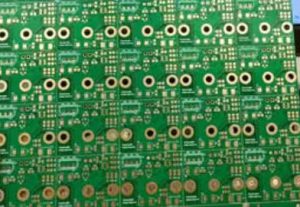
Modern PCB Demand
The Historical Journey of Tin and Modern PCB Demand
Early Metallurgy and the Foundations of Modern PCB Demand
Long before electronic circuits existed, tin played a critical role in the technological progress of early civilizations. Around 3000 BCE, societies across Mesopotamia, Anatolia, and the Indus Valley began alloying copper with small amounts of tin to produce bronze. This innovation dramatically improved the hardness and durability of tools and weapons, marking the beginning of the Bronze Age.
The ability to manipulate materials to achieve superior mechanical properties represented one of the earliest examples of engineering optimization. Although ancient metallurgists had no understanding of atomic structures or electrical conductivity, their experimentation laid the groundwork for the modern materials science principles that now underpin electronics manufacturing.
The global trade networks that developed around tin during the Bronze Age also foreshadowed the supply chain complexities seen in today’s electronics industry. Tin deposits were relatively scarce compared to copper, and obtaining reliable sources required extensive trade routes spanning continents. Historical evidence suggests that tin used in Mediterranean bronze production may have originated as far away as Central Asia or the British Isles.
In many ways, the challenges faced by Bronze Age traders mirror those confronting modern electronics manufacturers. Supply security, transportation logistics, and material quality control remain crucial considerations in the production of high-reliability components. The increasing demand for high-performance electronics has revived interest in stable sources of tin, reinforcing its importance within contemporary manufacturing ecosystems.
The connection between ancient metallurgy and modern electronics may appear indirect, but the underlying principle remains consistent: technological progress often depends on the discovery and optimization of key materials. Today, the same metal that once strengthened bronze swords now enables microscopic solder joints within advanced semiconductor packaging.
Tin in Electronics Evolution and Modern PCB Demand
The emergence of electronic devices in the twentieth century transformed tin from a traditional metallurgical component into a cornerstone of electrical manufacturing. With the rise of radio communication, consumer electronics, and later computing systems, reliable electrical interconnections became essential for device functionality.
Tin-based solder alloys proved ideal for this purpose due to their low melting temperature, strong adhesion to copper, and excellent wetting characteristics. These properties allowed engineers to create durable electrical connections without damaging sensitive electronic components.
As electronics technology evolved, the role of tin expanded further. It became widely used in:
-
Surface finishes such as HASL (Hot Air Solder Leveling)
-
Lead-free solder alloys
-
Protective coatings for connectors
-
Semiconductor packaging interconnects
Environmental regulations introduced in the early 2000s accelerated the transition toward lead-free solder systems, significantly increasing the reliance on tin-rich alloys. Most modern solder materials now contain between 95% and 99% tin, highlighting its central role in PCB assembly processes.
From a technological perspective, the electronics revolution has elevated tin from a supportive alloying element to a critical enabler of device miniaturization. Without reliable solder materials capable of forming consistent micro-scale joints, the high-density circuit boards used in smartphones, data centers, and AI processors would not be feasible.
This growing reliance on tin highlights the broader industrial forces driving Modern PCB Demand, where material properties must align with increasingly complex manufacturing requirements.
Defining the Concept of Modern PCB Demand
Understanding the Core Meaning of Modern PCB Demand
In the context of contemporary electronics manufacturing, Modern PCB Demand refers to the evolving requirements placed on printed circuit boards by advanced technological applications. Unlike earlier generations of electronics, today’s systems demand far greater levels of performance, reliability, and integration.
Several technological trends have contributed to this transformation:
-
Artificial intelligence and high-performance computing
-
5G and next-generation communication infrastructure
-
Electric vehicles and advanced automotive electronics
-
Internet of Things (IoT) ecosystems
-
Aerospace and defense electronics
Each of these sectors requires circuit boards capable of handling high data rates, increased power density, and complex multilayer architectures. As a result, PCB manufacturers must adopt new materials, fabrication techniques, and quality standards to meet these expectations.
Modern circuit boards often contain:
-
More than 20 copper layers
-
Microvias and blind/buried vias
-
High-frequency laminate materials
-
Advanced thermal management structures
These features increase manufacturing complexity and raise the performance requirements for every component involved in PCB production, including solder materials and surface finishes.
From a materials engineering perspective, the concept of Modern PCB Demand reflects the intersection of electrical performance, mechanical reliability, and manufacturing scalability. Engineers must balance these factors to produce circuit boards capable of supporting emerging technologies while maintaining cost efficiency.
In my view, the most important aspect of this concept is not simply the increase in PCB production volume but the rapid escalation in performance expectations. The electronics industry is no longer satisfied with boards that merely function; they must perform flawlessly under increasingly demanding conditions.
Cost Drivers Behind Modern PCB Demand
Material Economics Shaping Modern PCB Demand
One of the most significant factors influencing PCB production today is the rising cost of raw materials. Copper foil, fiberglass cloth, epoxy resins, and tin-based solder materials all contribute to the overall manufacturing cost of printed circuit boards.
The expansion of electric vehicles and renewable energy infrastructure has intensified competition for many of these materials. Copper, for example, is used extensively in both PCBs and battery systems, creating supply pressure across multiple industries.
Similarly, the growing use of tin in lead-free solder alloys has increased sensitivity to fluctuations in global tin supply. Mining output, geopolitical factors, and environmental regulations can all influence tin availability and pricing.
These economic pressures directly affect Modern PCB Demand, as manufacturers must carefully balance performance requirements with material costs.
Key cost factors include:
-
Raw material pricing
-
Manufacturing equipment investment
-
Energy consumption during fabrication
-
Quality control and testing processes
-
Environmental compliance costs
Companies that can optimize these factors without compromising reliability gain a significant competitive advantage in the electronics market.
Performance Implications of Modern PCB Demand
Electrical and Thermal Performance Under Modern PCB Demand
The increasing complexity of electronic systems places significant demands on PCB performance characteristics. As processors become more powerful and communication speeds increase, circuit boards must maintain signal integrity while managing heat dissipation effectively.
Tin-based solder joints play a crucial role in ensuring electrical continuity between components and the PCB substrate. Poor solder joint quality can lead to intermittent connections, increased resistance, and eventual device failure.
Modern electronics also require improved thermal performance. High-power components generate significant heat, and circuit boards must efficiently distribute and dissipate this energy to prevent overheating.
Major Cost Drivers Influencing Modern PCB Demand
| Cost Factor | Description | Industry Impact | Approximate Cost Contribution |
|---|---|---|---|
| Copper Foil | Primary conductive layer material | Influences signal performance and power delivery | 25–35% |
| Fiberglass Cloth | Structural reinforcement for laminates | Determines mechanical strength and stability | 10–15% |
| Epoxy Resin | Bonding material within laminate | Affects thermal resistance and insulation | 10–12% |
| Tin-based Solder Materials | Used for component assembly | Critical for electrical connections | 8–12% |
| Manufacturing Equipment | Drilling, imaging, plating, lamination | Enables precision fabrication | 15–20% |
| Quality Control & Testing | AOI, X-ray inspection, functional tests | Ensures reliability and compliance | 5–10% |
Conclusion
The story of tin is one of remarkable continuity across thousands of years of technological development. From the Bronze Age to the modern era of artificial intelligence and advanced electronics, this versatile metal has repeatedly proven its value in enabling innovation.
While ancient civilizations relied on tin to strengthen bronze tools and weapons, modern engineers depend on it to create reliable solder joints within high-performance circuit boards. This transformation reflects the broader evolution of materials science and manufacturing technology.
At the center of this progression lies the concept of Modern PCB Demand, which captures the growing expectations placed on circuit boards by emerging technologies. Higher processing speeds, increased integration density, and more demanding reliability standards are reshaping the way PCBs are designed and manufactured.
The economic and performance considerations associated with these developments are significant. Rising material costs, supply chain complexity, and the need for advanced manufacturing capabilities all influence the trajectory of the electronics industry.
Yet the continued relevance of tin demonstrates an important lesson: technological progress often builds upon the foundations laid by earlier generations. By understanding both the historical context and the modern challenges of PCB manufacturing, engineers and industry leaders can better prepare for the innovations that lie ahead.
As artificial intelligence systems, autonomous vehicles, and global communication networks expand, the demand for high-quality circuit boards will only continue to grow. In this evolving landscape, materials such as tin—and the manufacturers capable of using them effectively—will remain indispensable to the future of electronics.
FAQ
1. How can manufacturers ensure PCB reliability?
Reliability is achieved through careful material selection, precise fabrication processes, advanced inspection methods, and rigorous testing throughout the manufacturing process.
2. Why is tin widely used in PCB solder?
Tin has a relatively low melting point, excellent wetting properties, and strong adhesion to copper surfaces. These characteristics make it ideal for forming reliable electrical connections between components and circuit boards.
3. How does PCB layer count affect circuit performance?
Higher layer counts allow for improved signal routing, better power distribution, and enhanced electromagnetic shielding. This is especially important for high-speed digital systems and complex processors.
4. What factors influence PCB manufacturing cost?
PCB cost depends on several factors, including raw material prices, board complexity, layer count, drilling technology, surface finish, and testing requirements.
5. Why are lead-free solder alloys commonly used today?
Environmental regulations such as RoHS restrict the use of lead in electronics. As a result, lead-free solder alloys based primarily on tin have become the standard in modern PCB assembly.

- long board pcb
- Flexible PCBs
- Special PCB
- Express Printed Circuit Board
- Pcb Prototype
- LED PCB
- PCB
- Printed Circuit Board
- Pcb meaning
- Pcb manufacturer
- Rigid pcb board
- Rigid Flex PCB
 Quote
Quote
 E-mail