How Much Gold Is in a Circuit Board?
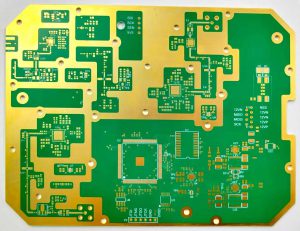
Gold is one of the most valuable metals found in electronic devices, particularly in printed circuit boards (PCBs). Due to its excellent electrical conductivity, resistance to corrosion, and durability, gold is used in key components of a PCB, such as edge connectors, contacts, and plating. However, how much gold is actually present in a circuit board, and is it worth recovering?
This article explores the amount of gold in a circuit board, its applications in electronics, gold recovery methods, and whether recycling gold from PCBs is profitable.
Why Is Gold Used in Circuit Boards?
Gold is widely used in PCBs for the following reasons:
Superior Conductivity: Gold has one of the highest electrical conductivities, ensuring efficient signal transmission.
Corrosion Resistance: Unlike copper or silver, gold does not tarnish or oxidize, maintaining its conductivity over time.
Durability and Longevity: Gold-plated contacts and connectors withstand repeated insertions and removals without significant wear.
Reliability in High-Performance Applications: Used in aerospace, medical devices, and telecommunications, where reliability is critical.
Gold is typically used in edge connectors, plated through-holes, switch contacts, and bonding wires inside integrated circuits (ICs).
How Much Gold Is in a Circuit Board?
The amount of gold in a circuit board varies depending on the type of PCB, component density, and plating thickness. On average, a standard consumer-grade PCB contains:
0.03 to 0.06 grams of gold per board (for small PCBs like smartphones).
0.2 to 0.5 grams per motherboard (for computer motherboards).
500-700 grams of gold per ton of PCBs (for bulk PCB recycling).
The thickness of the gold plating also affects the amount of gold present:
| Gold Plating Type | Thickness |
|---|---|
| Gold Flash Plating | 0.025 – 0.1 µm |
| Hard Gold (Electroplated) | 0.5 – 5 µm |
| ENIG (Electroless Nickel Immersion Gold) | 0.05 – 0.15 µm |
Modern circuit boards use electroless nickel immersion gold (ENIG), which contains a thin layer of gold over a thicker layer of nickel. This method reduces gold consumption while maintaining corrosion resistance and solderability.
Gold Content in Different PCB Types
| Device Type | Gold Content (per PCB) |
|---|---|
| Smartphone PCB | 0.03 – 0.06 grams |
| Laptop Motherboard | 0.2 – 0.5 grams |
| Desktop Motherboard | 0.4 – 0.7 grams |
| Server Motherboard | 1 – 2 grams |
| High-End Telecommunication PCB | 2 – 5 grams |
| Aerospace & Military PCB | Higher due to thicker plating |
Devices like servers, high-end telecom equipment, and aerospace electronics contain significantly more gold than consumer electronics due to their need for durability and reliability.
Methods for Recovering Gold from Circuit Boards
Gold recovery from PCBs is a growing industry, as electronic waste (e-waste) recycling helps reduce environmental pollution while recovering valuable metals. The most common methods of extracting gold from circuit boards include:
1. Mechanical Separation
✔ Dismantling and Sorting: Separating gold-plated components manually before chemical processing.
✔ Shredding and Grinding: Breaking down PCBs to extract gold-containing particles.
✔ Magnetic Separation: Removing iron and other metals before chemical extraction.
2. Chemical Recovery Methods
A. Cyanide Leaching
Uses cyanide solutions to dissolve gold from PCBs.
Highly efficient but environmentally hazardous due to toxic waste.
B. Aqua Regia (Nitric Acid + Hydrochloric Acid)
Dissolves gold, allowing it to be precipitated and recovered.
Widely used but requires careful handling due to corrosive chemicals.
C. Eco-Friendly Gold Recovery (Thiosulfate and Biocyanide Methods)
Uses less toxic chemicals to extract gold.
More sustainable but less efficient than cyanide or aqua regia.
3. Electrochemical Recovery
Uses electricity to extract gold from gold-plated PCBs.
Effective for industrial-scale gold recycling.
4. Fire Assay (Smelting Process)
Melts PCBs at high temperatures to separate gold and other metals.
Requires specialized equipment and high energy consumption.
Is It Profitable to Extract Gold from Circuit Boards?
Gold recycling from PCBs can be profitable but depends on several factors:
✔ Gold Content: High-end PCBs yield more gold than standard consumer electronics.
✔ Processing Cost: Chemical and mechanical recovery methods require investment.
✔ Environmental Regulations: Cyanide and acid-based processes have strict legal requirements.
✔ Market Gold Prices: Higher gold prices increase profitability.
Example Calculation of Gold Value in PCBs
1 ton of PCBs contains 500-700 grams of gold.
Current gold price: $60 per gram.
Gold value per ton: $30,000 – $42,000.
However, extraction costs, chemical processing, and refining reduce overall profits. Recycling PCBs in bulk is necessary to make the process cost-effective.
Sustainability and Environmental Impact of Gold Recycling
Recovering gold from circuit boards helps:
✔ Reduce electronic waste (e-waste) and landfill pollution.
✔ Conserve natural resources, reducing the need for gold mining.
✔ Lower carbon emissions, as recycling gold uses less energy than mining.
To make gold recycling more sustainable, researchers are exploring green recovery methods using biodegradable chemicals and bioleaching.
Conclusion
Gold is an essential component in circuit boards due to its superior conductivity, corrosion resistance, and durability. While the gold content in a PCB varies by type, large-scale PCB recycling can be highly profitable when using efficient gold recovery methods.
With the increasing volume of e-waste and rising gold prices, gold recovery from PCBs is becoming a crucial part of the electronics recycling industry. However, sustainability and environmental safety remain key challenges in this growing field.
For businesses looking to optimize PCB manufacturing with cost-effective gold plating solutions, Shenzhen Shuoqiang Electronics provides high-quality PCBs with ENIG, hard gold plating, and eco-friendly gold finishes. Contact us today to explore custom PCB manufacturing solutions!

- long board pcb
- Flexible PCBs
- Special PCB
- Express Printed Circuit Board
- Pcb Prototype
- LED PCB
- PCB
- Printed Circuit Board
- Pcb meaning
- Pcb manufacturer
- Rigid pcb board
- Rigid Flex PCB
 Quote
Quote
 E-mail