Introduction
When it comes to the surface finish of printed circuit boards (PCBs), HASL (Hot Air Solder Leveling) is one of the most commonly used methods. HASL is a process in which a PCB is dipped into molten solder, and the excess solder is removed using hot air, leaving behind a smooth and consistent layer. While HASL is popular for its simplicity and cost-effectiveness, it comes in two distinct types: HASL with Lead and HASL without Lead.
The key difference between these two finishes lies in the use of lead in the solder. With increasing environmental concerns and stricter regulations around lead usage in electronic products, many manufacturers have shifted to HASL without lead, but HASL with lead still remains a viable option for certain applications.
This article will explore the differences between HASL with Lead and HASL without Lead, discuss their respective advantages and disadvantages, and analyze their price differences in both sample and batch production. We will also highlight why SQPCB is a great option for those seeking high-quality PCB surface finishes.
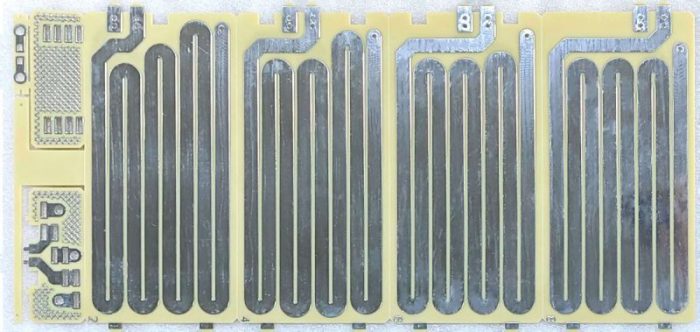
HASL with Lead vs. HASL without Lead
What is HASL (Hot Air Solder Leveling)?
HASL is a process used to apply a solder coating to the exposed copper pads of a PCB to protect them from oxidation and to ensure good solderability during assembly. The process involves dipping the PCB into a bath of molten solder, followed by the use of hot air to remove excess solder and level the surface. This ensures that the solder is evenly distributed across the board, and the result is a smooth, shiny surface that is suitable for mounting components.
The main objective of the HASL process is to ensure that the PCB can be soldered effectively during assembly, and the quality of the surface finish has a direct impact on the reliability of the final product.
HASL with Lead vs. HASL without Lead: Key Differences
The main distinction between HASL with Lead and HASL without Lead is the type of solder used in the process.
1. HASL with Lead
In HASL with Lead, traditional solder alloy containing lead (commonly 60/40 or 63/37 tin/lead) is used. This was the industry standard for many years due to its excellent soldering characteristics and low cost.
Advantages of HASL with Lead:
- Superior Solderability: Lead-based solder has excellent wetting characteristics, which ensure that the solder adheres well to the copper pads, resulting in a strong bond.
- Easier to Process: Lead-based solder has a lower melting point, making it easier to work with, especially in the PCB assembly process.
- Cost-Effective: Lead-based solder is generally less expensive than its lead-free counterparts, which can lower overall production costs.
- Better Mechanical Properties: Leaded solder offers improved mechanical strength and flexibility, which is particularly useful for high-stress or high-vibration environments.
Disadvantages of HASL with Lead:
- Environmental Concerns: Lead is toxic and poses a significant environmental risk. Its use has been increasingly restricted due to regulations like the RoHS (Restriction of Hazardous Substances) directive, which limits the use of lead in electronics.
- Health Risks: The handling and disposal of lead-based solder require careful precautions to avoid contamination or exposure to hazardous materials.
- Not Compliant with RoHS: Products with HASL with Lead are not RoHS compliant, which is a critical factor for many manufacturers, particularly those in the European Union and other regions with strict environmental standards.
2. HASL without Lead (Lead-Free HASL)
HASL without Lead, or lead-free HASL, uses a tin-silver-copper (SAC) alloy or other lead-free alternatives in place of traditional lead-based solder. These lead-free solders are typically made from tin with small amounts of silver and copper added to improve the soldering characteristics.
Advantages of HASL without Lead:
- Environmental Compliance: The primary benefit of lead-free HASL is its compliance with the RoHS directive, which restricts the use of hazardous materials like lead in electronic devices.
- Reduced Health Risks: Lead-free solder eliminates the toxic health risks associated with handling lead.
- Widely Accepted: As the global demand for environmentally friendly products increases, lead-free PCBs are becoming a standard in the industry, particularly for consumers and manufacturers in regions with stringent environmental regulations.
Disadvantages of HASL without Lead:
- Higher Melting Point: Lead-free solder generally has a higher melting point compared to lead-based solder, which can make it more difficult to process and may require higher soldering temperatures.
- Worse Solderability: Lead-free solder may not provide as good wetting characteristics as lead-based solder, which can result in weaker joints or more challenging soldering processes.
- More Expensive: Lead-free alloys like SAC (Tin-Silver-Copper) are generally more expensive than traditional lead-based solder, which can increase production costs.
- Potential for Voiding: Lead-free solder can sometimes result in more solder voids, which can affect the quality of the final product.
Price Comparison: Sample vs. Batch Production
The cost of HASL with Lead and HASL without Lead can vary depending on several factors, including the type of solder used, the complexity of the PCB design, and the quantity being produced.
1. Sample Production
- HASL with Lead: The cost of HASL with Lead in sample production is generally lower due to the cheaper raw materials and simpler process. Prototyping with lead-based solder is typically more affordable and faster to produce.
- HASL without Lead: Lead-free solder is more expensive, so sample production costs for HASL without Lead are typically higher. The higher raw material costs and more complicated processing steps lead to a higher price point for lead-free PCBs.
2. Batch Production
- HASL with Lead: When producing larger volumes, the cost of HASL with Lead becomes more competitive due to economies of scale. However, it is still generally less expensive than lead-free HASL, making it a preferred option for non-regulated markets.
- HASL without Lead: Lead-free HASL is typically more expensive for batch production, but as the industry moves towards sustainability and RoHS compliance, the cost difference has gradually decreased. Lead-free materials are expected to become the standard, driving down costs over time.
SQPCB provides cost-effective solutions for both HASL with Lead and HASL without Lead, ensuring that you receive high-quality PCB finishes at competitive prices, whether for prototyping or batch production.
Why Choose SQPCB for Your PCB Surface Finishing Needs?
When it comes to HASL finishes, SQPCB offers a wide range of options for both HASL with Lead and HASL without Lead. Here’s why SQPCB should be your go-to PCB manufacturer:
- Expertise in Surface Finishes: SQPCB has years of experience in offering a variety of surface finishes, including both leaded and lead-free HASL, ensuring the best performance and compliance with industry standards.
- Environmental Compliance: Whether you need HASL with Lead for specific applications or require HASL without Lead for RoHS-compliant products, SQPCB has the capability to meet your needs while ensuring compliance with global environmental regulations.
- Cost-Effective Solutions: SQPCB offers competitive pricing for both sample and batch production runs, making it an ideal partner for businesses looking for high-quality and affordable PCBs.
- Reliable Production: With a strong commitment to quality control and precision, SQPCB ensures that all PCBs are manufactured to the highest standards, providing superior solderability and performance.
FAQs
- What is the primary difference between HASL with Lead and HASL without Lead?
- The primary difference is the use of lead. HASL with Lead uses lead-based solder, while HASL without Lead uses a lead-free alloy, which complies with environmental regulations like RoHS.
- Is HASL with Lead still widely used in PCB supplier?
- HASL with Lead is still used in some regions and industries that do not require RoHS compliance, but its use is decreasing due to environmental regulations.
- Which is better for high-performance PCBs: HASL with Lead or HASL without Lead?
- Both finishes are suitable for high-performance PCBs, but HASL without Lead is typically preferred for compliance with modern environmental standards, particularly in industries like consumer electronics.
- Does the cost difference between HASL with Lead and HASL without Lead impact mass production?
- While HASL with Lead is generally less expensive, the cost difference in mass production is becoming less significant as the industry shifts towards lead-free options.
- Can SQPCB provide both HASL with Lead and HASL without Lead finishes?
- Yes, SQPCB offers both HASL with Lead and HASL without Lead finishes, providing flexibility for various applications and ensuring that your PCBs meet your specific requirements.
In conclusion, HASL with Lead and HASL without Lead both offer unique advantages and drawbacks. The choice between the two depends on your specific application requirements, regulatory compliance, and budget constraints. SQPCB offers reliable and cost-effective solutions for both finishes, ensuring high-quality PCBs for both prototypes and large-scale production.

- long board pcb
- Flexible PCBs
- Special PCB
- Express Printed Circuit Board
- Pcb Prototype
- LED PCB
- PCB
- Printed Circuit Board
- Pcb meaning
- Pcb manufacturer
- Rigid pcb board
- Rigid Flex PCB
 Quote
Quote
 E-mail