Custom circuit boards are at the heart of innovation in modern electronics. By designing your own PCB, you can tailor functionality, enhance performance, and optimize costs for your specific projects. This guide will walk you through every step of the process, empowering you to design custom circuit boards like a pro.
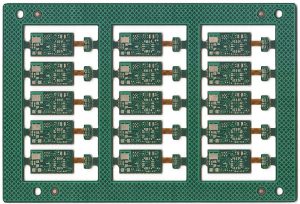
Custom Circuit Boards
Understanding the Basics of Custom Circuit Boards
What Are Custom Circuit Boards?
Custom circuit boards are printed circuit boards (PCBs) designed to meet specific requirements beyond standard configurations. Unlike off-the-shelf PCBs, custom designs allow complete control over layout, functionality, and materials, enabling circuit board customization for advanced electronic applications.
Key Differences Between Standard and Custom PCBs
- Standard PCBs: Pre-designed and generic, suitable for common applications.
- Custom PCBs: Tailored to specific needs, offering flexibility in size, layers, and component placement. They are often created using specialized processes like custom PCB manufacturing and PCB prototyping.
When Should You Opt for Custom Circuit Boards?
Custom PCBs are ideal when:
- Unique dimensions or features are required.
- Performance optimization, including impedance control and thermal management, is crucial.
- Prototyping innovative or niche products, such as high-frequency PCBs or advanced PCB features.
Planning Your Custom Circuit Board Design
Defining the Purpose and Requirements of Your PCB
Start by identifying your PCB’s primary purpose. Consider:
- Operating environment (e.g., temperature, humidity).
- Electrical requirements (e.g., voltage, current).
- Connectivity and interfaces, especially for flexible PCBs or rigid-flex PCBs.
Creating a Component List for Your Circuit Board
Compile a comprehensive list of PCB components, including:
- Integrated circuits (ICs).
- Resistors, capacitors, and inductors.
- Connectors and switches for enhanced PCB reliability.
Choosing the Right PCB Layout Software
Popular tools include:
- KiCAD: Free and open-source.
- Eagle: User-friendly with extensive libraries.
- Altium Designer: Advanced features for complex multilayer PCBs and custom electronic circuits.
Designing the PCB Schematic
The Role of Schematics in PCB Design
Schematics act as blueprints, ensuring accurate representation of connections between components. This is essential for PCB quality control and the successful integration of advanced PCB features.
Best Practices for Creating Accurate Schematics
- Use consistent symbols and labels.
- Double-check connections and pin configurations.
- Group related components logically to improve small-batch PCB manufacturing outcomes.
Tools for Simulating Your Circuit Design
Simulation software like LTspice or Multisim can help identify potential issues before layout, ensuring circuit board testing is efficient and accurate.
Optimizing the PCB Layout
Arranging Components for Maximum Efficiency
- Place high-frequency components near connectors.
- Group related components to minimize trace lengths.
- Keep power and ground planes intact for better impedance control.
Avoiding Common PCB Layout Mistakes
- Overlapping traces or vias.
- Insufficient spacing between components.
- Poor grounding techniques, which can impact PCB reliability.
Understanding Signal Integrity and Trace Routing
- Use controlled impedance for high-speed signals.
- Avoid sharp corners in trace routing.
- Ensure differential pairs are routed together, especially in high-frequency PCBs.
Material and Layer Considerations
Choosing the Right Materials for Your PCB
- FR4: Standard for most applications.
- Aluminum: Ideal for thermal management.
- Polyimide: Suitable for flexible PCBs and rigid-flex PCBs.
Single-Layer vs. Multilayer PCB Designs
- Single-Layer: Cost-effective for simple designs.
- Multilayer: Essential for compact, high-density applications requiring advanced PCB features.
Special Considerations for High-Frequency PCBs
- Use low-loss materials like Rogers.
- Implement proper shielding to reduce electromagnetic interference.
Preparing for Manufacturing
Generating Gerber Files and Other Necessary Outputs
Ensure your files include:
- Copper layers with correct copper thickness in PCBs.
- Solder mask and silkscreen layers.
- Drill file for vias and holes.
Guidelines for PCB Manufacturing Tolerances
- Define trace width and spacing.
- Specify hole sizes and tolerances to maintain PCB manufacturing tolerances.
Selecting the Best PCB Manufacturer
Look for manufacturers offering:
- Quick-turn prototypes for small-batch PCB manufacturing.
- Multilayer and HDI technology capabilities.
- Certifications like ISO 9001 for PCB quality control.
Testing and Validating Your PCB Design
The Importance of Prototype Testing
Prototypes help identify design flaws before full production, saving time and costs. Prototype PCB boards also ensure circuit board testing is thorough and efficient.
Common Testing Methods for Custom Circuit Boards
- Continuity Testing: Checks electrical connections.
- Functional Testing: Verifies circuit operation under real conditions.
Debugging and Refining Your PCB
- Inspect solder joints for defects.
- Adjust component placement to resolve signal issues.
- Use oscilloscopes to analyze signal integrity.
Advanced Customization Techniques
Implementing HDI Technology
High-Density Interconnect (HDI) enables:
- Smaller vias and trace widths.
- Higher component density.
- Custom PCB solutions for compact and high-performance designs.
Designing for Flex and Rigid-Flex PCBs
Flex PCBs offer:
- Lightweight and compact designs.
- Enhanced durability in dynamic environments.
How to Incorporate Custom Features
- Add thermal vias for heat dissipation.
- Use embedded components for space-saving in custom PCB manufacturing.
Cost Management for Custom PCB Design
Budget-Friendly Tips for Materials and Manufacturing
- Bulk ordering components to reduce PCB production cost.
- Simplifying layer stackups in multilayer PCBs.
How to Optimize Your Design to Reduce Production Costs
- Minimize via counts.
- Avoid unnecessarily tight tolerances.
Balancing Quality and Cost
Prioritize critical features while eliminating redundant elements.
Common Challenges and How to Overcome Them
Troubleshooting Signal Integrity Issues
- Implement proper grounding.
- Use decoupling capacitors near ICs.
Avoiding Heat Dissipation Problems
- Use thermal pads and heatsinks.
- Optimize copper thickness for improved thermal management.
Managing Tight Deadlines
- Collaborate closely with manufacturers.
- Use quick-turn PCB services.
Industry Standards and Compliance
Ensuring Your Design Meets IPC Standards
- Follow IPC-2221 for general design.
- Use IPC-6012 for fabrication standards.
Certifications to Consider
- UL certification for safety.
- RoHS compliance for environmental standards.
Navigating Export Regulations
- Ensure compliance with WEEE directives.
- Research country-specific requirements.
Tips for Continuous Improvement
Learning from Failed PCB Designs
Analyze prototypes to understand failure points and improve future designs.
Leveraging Feedback
Incorporate suggestions from end users and engineers.
Staying Updated
Follow industry publications and attend PCB design webinars.
Conclusion
Designing custom circuit boards is both a technical and creative process. By following this guide, you can create reliable, high-performance PCBs tailored to your needs. Experiment, refine, and innovate to elevate your designs to the next level.
linkedin https://www.linkedin.com/feed/update/urn:li:activity:
7097167729337532416/

- long board pcb
- Flexible PCBs
- Special PCB
- Express Printed Circuit Board
- Pcb Prototype
- LED PCB
- PCB
- Printed Circuit Board
- Pcb meaning
- Pcb manufacturer
- Rigid pcb board
- Rigid Flex PCB
 Quote
Quote
 E-mail