CTI PCB: Understanding Comparative Tracking Index in PCB Design
Introduction
In the field of printed circuit board (PCB) design and manufacturing, the Comparative Tracking Index (CTI) plays a crucial role in determining the insulation resistance and electrical safety of a PCB. CTI is an essential parameter for high-voltage and high-reliability applications, ensuring that PCBs can withstand electrical stress without causing failure due to tracking. This article explores the definition, importance, classifications, testing methods, and applications of CTI in PCBs.
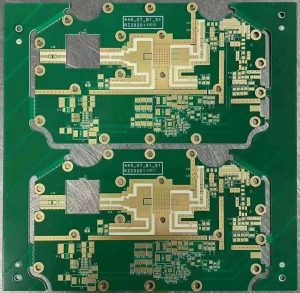
CTI PCB
What is CTI in PCB?
The Comparative Tracking Index (CTI) measures a material’s resistance to electrical breakdown caused by surface tracking. Surface tracking occurs when an electrical current passes along an insulating material’s surface due to contaminants like dust, moisture, or chemical exposure. The CTI value is expressed in volts (V) and determines the material’s ability to resist forming conductive paths under electrical stress.
A higher CTI value indicates a better resistance to tracking and improves the PCB’s electrical insulation performance. This property is crucial for applications that require long-term reliability, such as industrial automation, automotive electronics, and power distribution systems.
Importance of CTI in PCB Design
1. Enhanced Electrical Safety
PCBs used in high-voltage applications must prevent electrical tracking failures that could lead to short circuits, system malfunctions, or fire hazards. CTI-rated materials help maintain insulation integrity and ensure safety compliance.
2. Compliance with Industry Standards
Various industry standards, such as IEC 60112, UL 746A, and IPC-2221, specify CTI values for PCB materials. Compliance with these standards is necessary for PCBs used in safety-critical applications like medical devices and aerospace electronics.
3. Minimized Creepage and Clearance Requirements
Using high-CTI materials allows designers to reduce the creepage distance (the shortest distance along an insulating surface between two conductive parts). This is particularly beneficial in miniaturized PCBs where space constraints exist.
4. Improved Reliability in Harsh Environments
High-CTI materials resist electrical tracking even in humid or contaminated environments, ensuring long-term reliability in industrial and outdoor applications.
CTI Classification and Material Selection
CTI values are categorized into five levels based on their tracking resistance:
| CTI Value (Volts) | Material Group | Insulation Class |
|---|---|---|
| ≥ 600 V | I | Best insulation |
| 400 – 599 V | II | High insulation |
| 250 – 399 V | IIIa | Moderate insulation |
| 175 – 249 V | IIIb | Low insulation |
| < 175 V | IV | Poor insulation |
Materials with CTI ≥ 600V are preferred for high-voltage applications, while materials with lower CTI values may be used in low-power circuits where insulation breakdown risks are minimal.
Common High-CTI PCB Materials
- FR4-High CTI: Modified FR4 material with CTI ≥ 600V
- Polyimide: Used in flexible PCBs for aerospace and medical applications
- High-Performance Epoxy: Provides enhanced electrical and thermal performance
- PTFE (Teflon): Ideal for RF and microwave applications
CTI Testing Methods
The IEC 60112 standard defines the test method for measuring the Comparative Tracking Index of insulating materials. The test involves:
- Preparation of Sample: A standardized material sample is prepared and placed on an inclined test fixture.
- Application of Contaminant: A conductive electrolyte solution (e.g., ammonium chloride) is applied to the material surface.
- Voltage Application: A specified voltage is applied between two electrodes placed on the sample.
- Observation of Tracking Behavior: The material is tested under increasing voltages until tracking failure occurs or a pre-defined threshold is reached.
- Determination of CTI Value: The highest voltage at which the material withstands without failure is recorded as its CTI rating.
This test helps manufacturers determine the suitable PCB material for various applications.
Applications of High-CTI PCBs
1. Power Electronics and High-Voltage Systems
High-CTI PCBs are essential in power supplies, inverters, and converters that handle high-voltage signals. These PCBs prevent insulation breakdown and improve operational safety.
2. Industrial Automation and Control Systems
Automation equipment requires durable PCBs that can withstand electrical tracking in environments with dust, humidity, and chemicals.
3. Automotive Electronics
Modern vehicles include numerous electronic systems that require PCBs with high tracking resistance, ensuring long-term reliability in harsh conditions.
4. Medical Devices
Medical equipment like MRI scanners and diagnostic devices use high-CTI materials to maintain electrical insulation and ensure patient safety.
5. Aerospace and Defense
Avionics and military systems rely on high-CTI PCBs to operate in extreme temperatures and high-altitude conditions.
Design Considerations for CTI in PCB Manufacturing
When designing PCBs with CTI requirements, several factors must be considered:
- Material Selection: Choose a PCB laminate with a CTI rating suitable for the application.
- Creepage and Clearance Design: Ensure proper spacing between conductive traces, especially in high-voltage circuits.
- Surface Protection: Use conformal coatings or solder masks to protect against contaminants that may induce tracking.
- Testing and Certification: Conduct CTI tests to verify material properties and compliance with regulatory standards.
- Thermal Management: Implement adequate heat dissipation techniques to prevent material degradation due to high temperatures.
Conclusion
Comparative Tracking Index (CTI) is a critical parameter in PCB design that determines the material’s resistance to electrical tracking and insulation failure. High-CTI PCBs are essential for applications requiring high-voltage resistance, reliability, and safety, such as power electronics, automotive systems, and medical devices. By selecting appropriate materials, following design guidelines, and adhering to industry standards, engineers can ensure robust and reliable PCB performance in various demanding environments. As the electronics industry evolves, the role of CTI in enhancing PCB reliability will continue to be a significant focus for manufacturers and designers.

- long board pcb
- Flexible PCBs
- Special PCB
- Express Printed Circuit Board
- Pcb Prototype
- LED PCB
- PCB
- Printed Circuit Board
- Pcb meaning
- Pcb manufacturer
- Rigid pcb board
- Rigid Flex PCB
 Quote
Quote
 E-mail