Understanding Blank PCB Boards: A Comprehensive Guide
Introduction
Blank PCB boards are the foundation of modern electronics, serving as the base upon which all electronic components are mounted. These boards, also known as bare PCBs, are manufactured using various materials and are available in different configurations to suit specific applications. Understanding their structure, types, applications, and manufacturing processes is crucial for businesses and engineers working in the electronics industry.
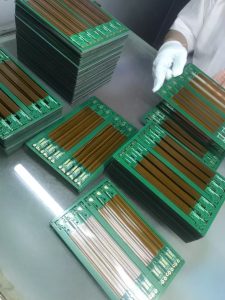
Blank PCB boards
What is a Blank PCB Board?
A blank PCB board is an unassembled printed circuit board (PCB) that contains only the base material and conductive traces without any mounted electronic components. These boards provide the essential pathways for electrical signals, allowing circuits to function as designed once components are soldered onto them. The design of a blank PCB includes multiple layers, depending on the complexity of the circuit it is intended to support.
Types of Blank PCB Boards
There are several types of blank PCB boards, categorized based on their material composition, layer configuration, and specific applications.
1. Single-Sided PCB
A single-sided blank PCB has a single layer of conductive material, usually copper, applied to a dielectric substrate. These are used in simple electronic circuits such as calculators, radios, and LED lighting applications.
2. Double-Sided PCB
Double-sided blank PCBs feature copper traces on both sides of the board. They offer increased circuit density compared to single-sided boards and are widely used in power supplies, industrial controls, and communication devices.
3. Multilayer PCB
Multilayer blank PCBs consist of three or more conductive layers separated by insulating material. These boards allow for complex circuit designs, reduced signal interference, and compact electronic assemblies. They are used in medical equipment, aerospace electronics, and high-speed communication devices.
4. Rigid PCB
Rigid blank PCBs are made from inflexible materials such as FR4 fiberglass, ensuring mechanical stability and durability. These are commonly used in computer motherboards, industrial equipment, and automotive electronics.
5. Flexible PCB
Flexible blank PCBs use materials like polyimide to provide bendable and lightweight circuit solutions. They are used in wearable technology, foldable devices, and medical implants.
6. Metal-Core PCB
Metal-core blank PCBs incorporate a metal base layer (typically aluminum or copper) to improve thermal dissipation. These are ideal for high-power LED lighting, automotive lighting, and power converters.
Manufacturing Process of Blank PCB Boards
The production of blank PCBs involves multiple steps to ensure precision and functionality:
- Substrate Preparation – The base material (FR4, aluminum, polyimide, etc.) is selected based on the application requirements.
- Copper Cladding – A thin copper layer is laminated onto the substrate to form the conductive layer.
- Photoresist Application – A photosensitive layer is applied to protect the copper during etching.
- Circuit Patterning – Using UV exposure and chemical etching, unwanted copper is removed to create circuit traces.
- Drilling – Holes for mounting components and vias are precisely drilled.
- Plating and Surface Finishing – A protective coating (such as HASL, ENIG, or OSP) is applied to prevent oxidation and ensure solderability.
- Inspection and Testing – The blank PCB undergoes electrical testing and visual inspection to ensure compliance with design specifications.
Applications of Blank PCB Boards
Blank PCBs serve as the foundation for various electronic devices across industries:
- Consumer Electronics – Smartphones, televisions, laptops, and gaming consoles.
- Automotive Industry – Engine control units, LED lighting, and infotainment systems.
- Medical Devices – ECG monitors, MRI scanners, and diagnostic equipment.
- Industrial Equipment – Power supplies, automation controllers, and robotics.
- Telecommunications – Network servers, routers, and mobile base stations.
Choosing the Right Blank PCB Board
When selecting a blank PCB board, consider the following factors:
- Material Type – FR4 for general electronics, aluminum for thermal management, polyimide for flexibility.
- Layer Configuration – Single-layer for simple circuits, multilayer for advanced applications.
- Thickness and Size – Customization based on application needs.
- Thermal and Electrical Properties – Ensuring it meets operational requirements.
- Surface Finish – HASL, ENIG, or OSP for solderability and longevity.
Conclusion
Blank PCB boards are essential in modern electronics manufacturing, providing the structural and electrical foundation for electronic components. Understanding their types, manufacturing processes, and applications allows engineers and businesses to choose the right PCB for their needs. Whether for consumer gadgets, automotive electronics, or industrial automation, blank PCBs play a critical role in advancing technology.

- long board pcb
- Flexible PCBs
- Special PCB
- Express Printed Circuit Board
- Pcb Prototype
- LED PCB
- PCB
- Printed Circuit Board
- Pcb meaning
- Pcb manufacturer
- Rigid pcb board
- Rigid Flex PCB
 Quote
Quote
 E-mail