Copper is one of the most important raw materials in printed circuit board (PCB) manufacturing. From conductive traces and copper planes to plated vias and heavy-copper layers, copper directly affects a board’s electrical performance, thermal management, and long-term reliability. When copper prices rise, the impact extends beyond material purchasing costs to production planning, supply chain stability, PCB design decisions, and final product pricing.For PCB manufacturers, electronics companies, and procurement teams, understanding these changes is essential to maintaining cost efficiency without compromising quality. Rather than responding to higher prices through material substitution alone, manufacturers need to evaluate copper utilization, production yield, design requirements, and supplier coordination as part of a comprehensive cost-control strategy.
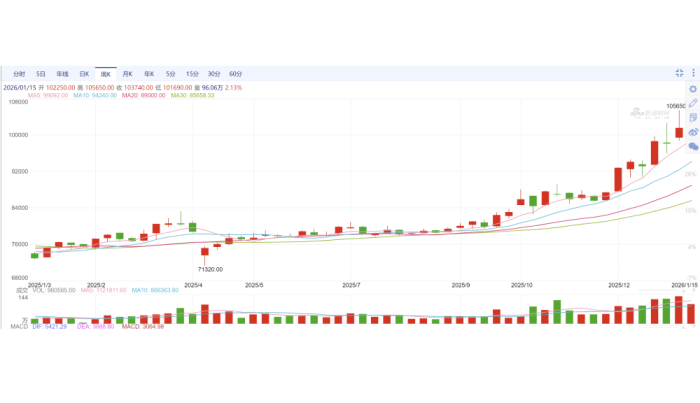
Rising Copper Prices
What Are Rising Copper Prices in PCB Manufacturing?
Rising Copper Prices refers to an increase in the market price of copper, a key industrial metal used throughout the PCB manufacturing process. Copper prices are influenced by several factors, including global supply and demand, mining output, energy costs, transportation expenses, geopolitical developments, and industrial demand from sectors such as electric vehicles, renewable energy, data centers, and electronics.
In PCB manufacturing, copper is commonly supplied in the form of copper-clad laminates, copper foil, plating chemicals, and other materials used to create conductive structures. Changes in copper prices can affect these materials differently because their final costs also depend on processing, thickness, product specifications, and supplier pricing policies.
The impact is particularly significant for multilayer PCBs, high-current power boards, and heavy-copper designs, where copper consumption or processing requirements may be substantial. However, the actual cost increase varies by board structure, copper weight, utilization rate, and manufacturing technology.
It is also important to distinguish between higher copper market prices and higher finished PCB prices. Copper is only one part of total manufacturing cost. Labor, laminate systems, drilling, imaging, plating, surface finishing, testing, energy, and quality control all contribute to the final quotation. Therefore, copper price increases do not necessarily translate into an identical percentage increase in PCB prices.
Why Do Rising Copper Prices Increase PCB Manufacturing Costs?
Copper price changes can affect PCB production through several interconnected cost factors.
Raw material expenses: Copper-clad laminates and copper foil are fundamental inputs. When suppliers adjust their prices, PCB manufacturers may face higher purchasing costs, especially when producing large volumes or boards with substantial copper requirements.
Copper weight and board structure: Standard boards and heavy-copper PCBs have different material and processing requirements. Boards with thicker copper layers may require more copper and specialized etching or plating processes, increasing their exposure to material and processing cost fluctuations.
Manufacturing yield and copper utilization: Copper is not used with perfect efficiency. Etching removes unwanted copper, while panel layouts may leave unused areas. Poor utilization, excessive scrap, and process defects can increase the effective material cost per acceptable board. When copper becomes more expensive, these inefficiencies become more costly.
Inventory and procurement management: Buying copper-related materials in advance may reduce exposure to short-term price increases, but excessive inventory ties up working capital and introduces storage and obsolescence risks. Purchasing too late, on the other hand, may lead to higher prices or production delays.
Supplier pricing and lead times: Material suppliers may adjust quotations, minimum order quantities, or delivery schedules as market conditions change. PCB manufacturers must consider not only the quoted material price but also delivery reliability and the potential cost of production interruptions.
A practical approach is to evaluate the total cost per qualified PCB rather than focusing solely on the price of copper. A lower-priced material that causes poor yield or reliability problems may ultimately cost more than a stable, well-controlled alternative.
How Do Rising Copper Prices Affect PCB Performance?
Higher copper prices do not automatically reduce PCB performance. The real challenge is maintaining the electrical, thermal, and mechanical requirements of a board while controlling material costs. If manufacturers or designers respond to higher costs by making inappropriate changes to copper thickness, trace width, or layer structure, the resulting board may fail to meet its original specifications.
Electrical performance: Copper thickness and trace geometry influence resistance, voltage drop, and current-carrying capacity. Reducing copper weight without recalculating trace dimensions can increase resistance and heat generation. For high-speed circuits, changes to trace geometry and layer spacing may also affect impedance control and signal integrity.
Thermal management: Copper provides an effective path for heat dissipation. In power electronics, LED lighting, automotive systems, and industrial control equipment, insufficient copper can create localized hot spots and reduce component life. Designers should evaluate copper distribution, thermal vias, copper planes, and substrate selection together rather than treating copper weight as an isolated cost variable.
Mechanical reliability: Copper thickness, plating quality, and the integrity of copper-to-laminate bonding affect long-term reliability. Poorly controlled manufacturing processes may contribute to cracking, delamination, or interconnect failures, particularly under thermal cycling and repeated stress.
The key principle is that cost optimization must preserve the board’s engineering requirements. A slightly more expensive copper specification may be the more economical choice if it improves yield, reduces field failures, and extends product service life.
How Do Rising Copper Prices Create Supply Chain and Design Challenges?
Copper market volatility can make procurement and production planning more difficult. Suppliers may revise quotations, adjust inventory strategies, or change delivery schedules as material costs fluctuate. In addition, copper foil is only one component of a copper-clad laminate, so changes in resin, glass fabric, processing fees, and logistics can further complicate pricing. Industry reporting in 2026 has highlighted the influence of strong AI infrastructure demand and upstream material constraints on PCB-related supply chains.
These pressures can create several manufacturing challenges:
-
Unstable quotations: Long quotation validity periods may become difficult to maintain when raw material prices change rapidly.
-
Material shortages: Certain copper foil grades or laminate specifications may have longer lead times than standard materials.
-
Design limitations: Switching to a different copper weight or laminate grade may require renewed electrical, thermal, and reliability validation.
-
Higher scrap costs: Defective panels become more expensive when the materials incorporated into them cost more.
-
Budget uncertainty: Customers may face unexpected price adjustments between prototype approval and mass production.
To address these issues, PCB manufacturers should communicate material changes early, establish realistic quotation validity periods, and coordinate forecast demand with customers. Procurement teams can also evaluate qualified alternative suppliers and maintain appropriate safety stock for critical materials.
For PCB designers, early design-for-manufacturing (DFM) reviews are particularly valuable. Optimizing panel utilization, avoiding unnecessarily complex copper structures, and selecting suitable copper weights at the design stage can reduce material waste without compromising performance.
How Can PCB Manufacturers Control Costs Without Sacrificing Quality?
Managing higher copper costs requires coordinated action across engineering, procurement, and production. The most effective strategy is to improve material efficiency rather than simply reduce material consumption.
|
Challenge
|
Recommended solution
|
Expected benefit
|
|
Higher copper material costs
|
Optimize panel layout and copper utilization
|
Reduce waste
|
|
Excessive copper removal
|
Review trace geometry and copper distribution
|
Improve material efficiency
|
|
Rising scrap costs
|
Strengthen etching, drilling, and plating controls
|
Improve production yield
|
|
Supply uncertainty
|
Forecast demand and qualify alternative materials
|
Improve supply continuity
|
|
Overdesigned copper structures
|
Conduct early DFM and thermal reviews
|
Reduce unnecessary cost
|
Manufacturers should also monitor copper thickness consistency, line width, plating quality, and finished-board dimensions. These controls help ensure that cost-saving measures do not introduce hidden reliability risks.
For customers sourcing customized PCBs, working with an experienced manufacturer such as SQ PCB can support early technical reviews, material selection, and production planning. SQ PCB can also help evaluate whether the specified copper weight, board structure, and thermal requirements are appropriate for the intended application.
From a commercial perspective, the lowest quotation is not always the best value. A more useful comparison considers material specifications, manufacturing yield, inspection standards, delivery reliability, and total ownership cost. This approach helps buyers make informed decisions even when raw material prices remain volatile.
Conclusion
Rising Copper Prices are more than a procurement concern. They influence PCB manufacturing costs, material availability, design decisions, production efficiency, and the economics of finished electronic products. As demand for high-performance electronics, AI infrastructure, power systems, and advanced industrial equipment grows, manufacturers must pay closer attention to copper sourcing and utilization.
However, higher material costs do not have to result in lower product quality or uncontrolled price increases. By improving panel utilization, reducing scrap, strengthening process control, and selecting copper specifications based on actual electrical and thermal requirements, manufacturers can manage costs while preserving reliability.
For purchasing teams, transparent communication with PCB suppliers and realistic procurement planning are essential. For designers, early collaboration with manufacturers can prevent unnecessary copper consumption and costly redesigns. For manufacturers, continuous improvement in yield and material efficiency provides a more sustainable response than indiscriminate cost cutting.
Ultimately, the goal is not simply to purchase copper at a lower price. It is to turn every unit of copper into reliable electrical performance and a qualified finished board. Companies that integrate engineering, procurement, and manufacturing decisions will be better positioned to manage market uncertainty, protect product quality, and maintain long-term competitiveness.
FAQs About Rising Copper Prices
1. Why do copper prices affect PCB manufacturing costs?
Copper is a key material in copper-clad laminates, conductive layers, and plated interconnections. Higher copper prices can increase material purchasing costs, while additional processing expenses and supply chain changes may further affect finished PCB quotations.
2. Do higher copper prices directly increase PCB prices?
Not necessarily by the same percentage. The final impact depends on copper content, board thickness, layer count, material selection, manufacturing yield, supplier contracts, and other production expenses.
3. Can PCB designers reduce copper usage to lower costs?
Yes, through optimized panel layouts, efficient routing, and appropriate copper weight selection. However, any reduction must preserve current-carrying capacity, impedance, thermal performance, and reliability requirements.
4. How can PCB manufacturers reduce the impact of copper price fluctuations?
Manufacturers can improve material utilization, reduce scrap, strengthen process controls, forecast demand, and establish reliable supplier relationships. Early design reviews also help prevent unnecessary material consumption.
5. What should buyers consider when choosing a PCB supplier during copper price increases?
Buyers should compare material specifications, quotation validity, production capacity, quality control, delivery reliability, and engineering support. A qualified supplier should explain material substitutions transparently and ensure that cost-saving measures do not compromise electrical or thermal performance.

 Quote
 E-mail