IQC Inspection in PCB Manufacturing: Ensuring Quality from the Start
In the PCB (Printed Circuit Board) manufacturing industry, quality control is essential to ensure that raw materials meet the required standards before they enter production. One of the most critical steps in quality management is Incoming Quality Control (IQC) inspection, which helps detect and prevent defects at an early stage.
IQC inspection ensures that PCB materials, components, and production supplies conform to specifications, minimizing defects, reducing waste, and improving final product reliability. This article explores the importance of IQC inspection in PCB manufacturing, its procedures, key inspection points, and best practices for maintaining high-quality standards.
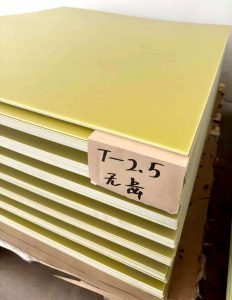
iqc inspection
What is IQC Inspection?
Incoming Quality Control (IQC) inspection is the first line of defense in PCB manufacturing quality management. It involves verifying and testing raw materials—including PCB laminates, copper foil, solder mask, and electronic components—before they enter the production process.
By implementing IQC, manufacturers can:
- Identify defective materials early, preventing costly production errors.
- Ensure supplier consistency, maintaining stable quality across batches.
- Improve product reliability, reducing failure rates in finished PCBs.
- Optimize production efficiency, minimizing delays due to material defects.
IQC is a mandatory process for any high-reliability PCB manufacturer, particularly those producing boards for automotive, aerospace, telecommunications, medical, and industrial applications.
Key Steps in IQC Inspection for PCB Manufacturing
IQC inspection follows a structured process to ensure that materials meet predefined quality standards. The general steps include:
1. Supplier Evaluation and Material Verification
Before materials arrive at the factory, PCB manufacturers perform a supplier audit and qualification to ensure consistent quality and compliance with industry standards. Upon arrival, raw materials are checked against purchase orders, material specifications, and compliance certificates to verify accuracy.
Key documents checked:
✔ Material specification sheets
✔ Certificates of Conformance (CoC)
✔ MSDS (Material Safety Data Sheets)
✔ RoHS, REACH, UL, and ISO compliance reports
2. Visual Inspection
Visual inspection is the first step in the IQC process. It helps identify physical defects such as:
- Surface scratches, cracks, or contamination on PCB substrates
- Copper foil damage (oxidation, dents, or irregularities)
- Mislabeling of components or incorrect markings
- Solder mask defects such as uneven coatings or bubbles
Inspectors use magnifying glasses, microscopes, and high-resolution cameras for a detailed visual analysis.
3. Dimensional Measurement and Tolerance Checking
PCB materials must meet precise dimensional tolerances to ensure compatibility with production equipment. IQC inspectors use calipers, micrometers, and coordinate measuring machines (CMMs) to verify:
- Substrate thickness and copper foil thickness
- Hole and pad sizes
- Component dimensions and lead spacing
4. Electrical Performance Testing
For electronic components and PCB substrates, IQC performs electrical testing to verify:
✔ Dielectric constant (Dk) and dissipation factor (Df) of PCB laminates
✔ Insulation resistance and conductivity of copper foil
✔ Voltage and current ratings of electronic components
✔ Capacitor, resistor, and inductor values using LCR meters
5. Environmental and Reliability Testing
High-reliability PCBs must withstand harsh environmental conditions. IQC tests materials for:
- Thermal stability (e.g., high-temperature resistance and glass transition temperature Tg)
- Moisture absorption to prevent delamination and warping
- Chemical resistance (corrosion and oxidation testing)
- Peel strength testing for copper adhesion
Common IQC Inspection Points in PCB Manufacturing
Each material used in PCB manufacturing has specific quality control requirements. Below are the main IQC inspection points for key PCB materials:
1. PCB Substrates (FR-4, Rogers, Aluminum, etc.)
✔ Thickness and dimensional accuracy
✔ Surface cleanliness (no oxidation, scratches, or contamination)
✔ Tg (Glass Transition Temperature) verification
✔ Dielectric properties (Dk, Df)
✔ Moisture absorption rate
2. Copper Foil and Inner Layers
✔ Copper thickness uniformity (e.g., 1oz, 2oz)
✔ No oxidation, dents, or pinholes
✔ Peel strength and adhesion testing
3. Solder Mask and Surface Finish
✔ Solder mask adhesion and coverage
✔ No air bubbles, peeling, or cracks
✔ Surface flatness for HASL, ENIG, OSP finishes
4. Electronic Components (Resistors, Capacitors, ICs, etc.)
✔ Component labeling and specifications
✔ Electrical properties (resistance, capacitance, voltage ratings)
✔ Lead-free solder compatibility (RoHS compliance)
Best Practices for IQC in PCB Manufacturing
To maintain a high level of quality assurance, PCB manufacturers must follow industry best practices in IQC inspection:
1. Implement a Supplier Qualification Program
- Conduct regular supplier audits to verify material quality.
- Work with trusted and certified suppliers to ensure consistency.
2. Establish Standardized Inspection Procedures
- Define acceptance criteria for each material type.
- Train IQC inspectors to use advanced testing tools and equipment.
3. Use Advanced Testing and Automation
- Adopt X-ray fluorescence (XRF) testing for material composition analysis.
- Implement automated optical inspection (AOI) for accurate defect detection.
4. Maintain Strict Documentation and Traceability
- Record inspection data for each material batch.
- Use barcode tracking systems for traceability in case of defects.
5. Continuous Improvement and Corrective Actions
- Conduct failure analysis on rejected materials to identify root causes.
- Work with suppliers to improve material quality based on feedback.
Conclusion
IQC inspection is a critical process in PCB manufacturing, ensuring that raw materials meet strict quality standards before entering production. By implementing rigorous material verification, dimensional analysis, electrical testing, and environmental assessments, PCB manufacturers can prevent defects, improve reliability, and reduce costs.
For high-quality PCB production, manufacturers like Shenzhen Shuoqiang Electronics use advanced IQC inspection procedures to guarantee that only the best materials are used in PCB fabrication. This commitment to quality control ensures that customers receive durable, high-performance circuit boards for their applications.
Looking for reliable PCB manufacturing with strict quality control? Contact Shenzhen Shuoqiang Electronics today to learn more about our advanced IQC inspection and high-quality PCB solutions!

- long board pcb
- Flexible PCBs
- Special PCB
- Express Printed Circuit Board
- Pcb Prototype
- LED PCB
- PCB
- Printed Circuit Board
- Pcb meaning
- Pcb manufacturer
- Rigid pcb board
- Rigid Flex PCB
 Quote
Quote
 E-mail